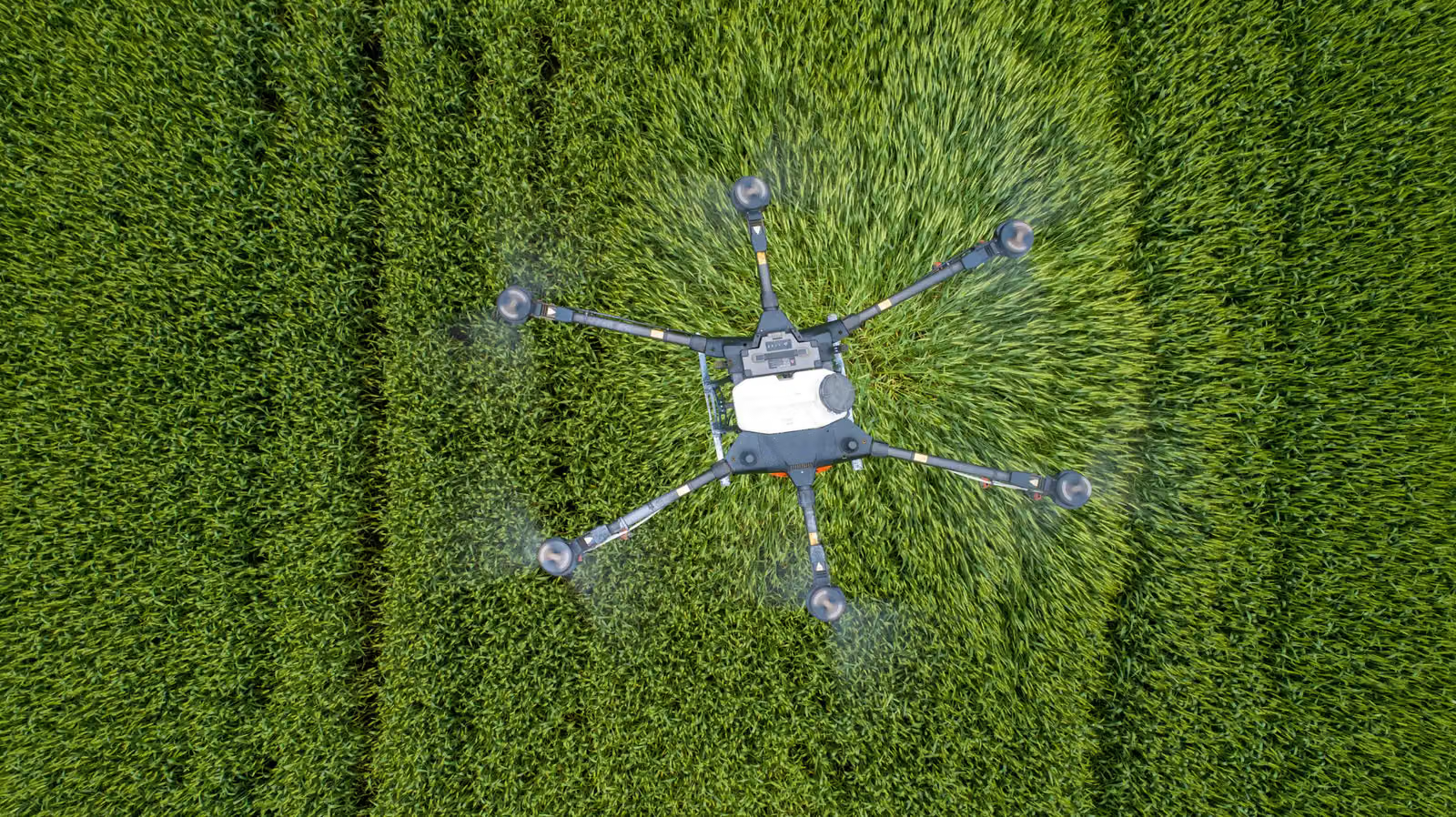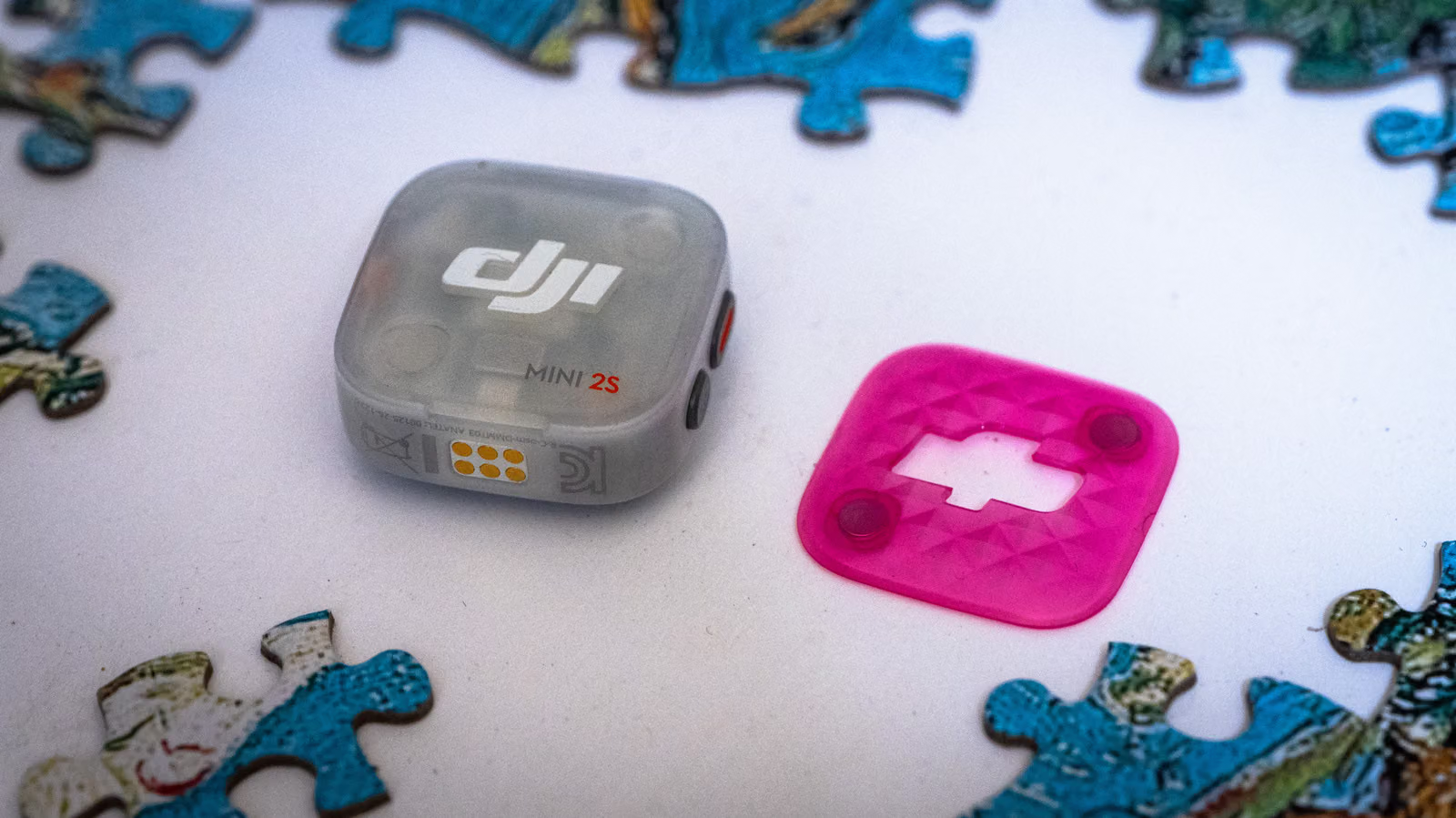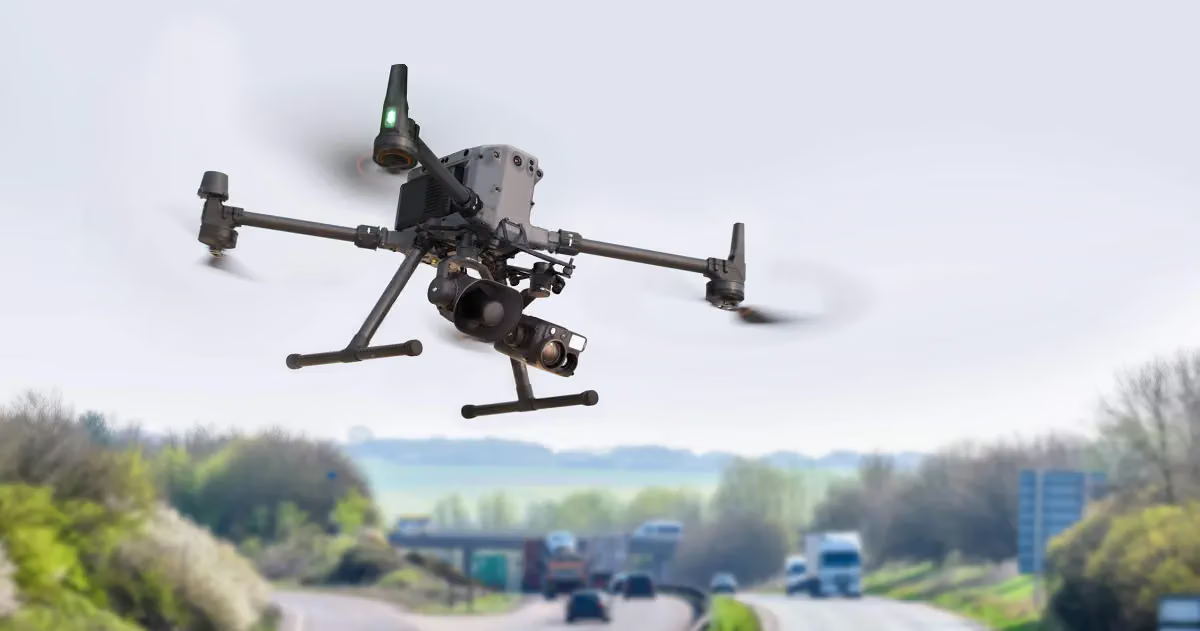
25 kilograms is the line this policy draws. Any drone over that weight, any model equipped with thermal-imaging cameras, and any drone component exceeding 25kg — all now face a 100% tariff under the Trump administration. Every other drone, including DJI's Mini series consumer models weighing under 250 grams, gets hit with a 25% tariff instead. This follows the administration's earlier moves to block imports of foreign drones, routers, and robot vacuums — but this time it's targeting models and parts that were already approved for sale in the US.
The order does carve out some discounts: the EU, Japan, Liechtenstein, South Korea, Switzerland, and Taiwan get a 15% rate, while the UK gets 10% — provided "the hardware, software, and technology are substantially produced" in those countries and the US.
But what really gives this announcement its edge is the back door it leaves open: companies that pledge to move some of their drone or component manufacturing to the US can get the tariff waived entirely. It's the same playbook Trump used last year when he threatened a 100% tariff on computer chips. In other words, this isn't just a tariff schedule — it reads more like an investment pitch. The Commerce Secretary has even been authorized to set up a new program to "encourage investment in new drone and component manufacturing facilities" on US soil.
The official justifications include: American manufacturers' heavy reliance on imported motors, electronic speed controllers, lithium batteries, and docking stations for critical components creates a national security gap; some products' software transmits data back to foreign manufacturers; and there are doubts about whether the US industry can scale up drone production fast enough to meet wartime or armed-conflict demands.
The irony is that the Supreme Court ruled earlier this year that Trump's global tariffs were illegal, and the US Court of International Trade reached the same conclusion — yet the administration keeps rolling out new rounds of tariffs anyway. As The Verge bluntly put it, the pattern so far seems to go like this: companies raise prices and pass the tariff costs onto consumers; once the tariffs get struck down as illegal, the government refunds huge sums back to those companies; and the companies pocket the refunds without lowering prices or returning a dime to consumers.
This tariff announcement extends the string of actions targeting DJI, following the FCC's earlier threat to retroactively ban "military-grade" drones — a definition broad enough to potentially sweep up models used by farmers, emergency responders, and light-show operators. For the full list of affected products and implementation timeline, refer to the original White House announcement.