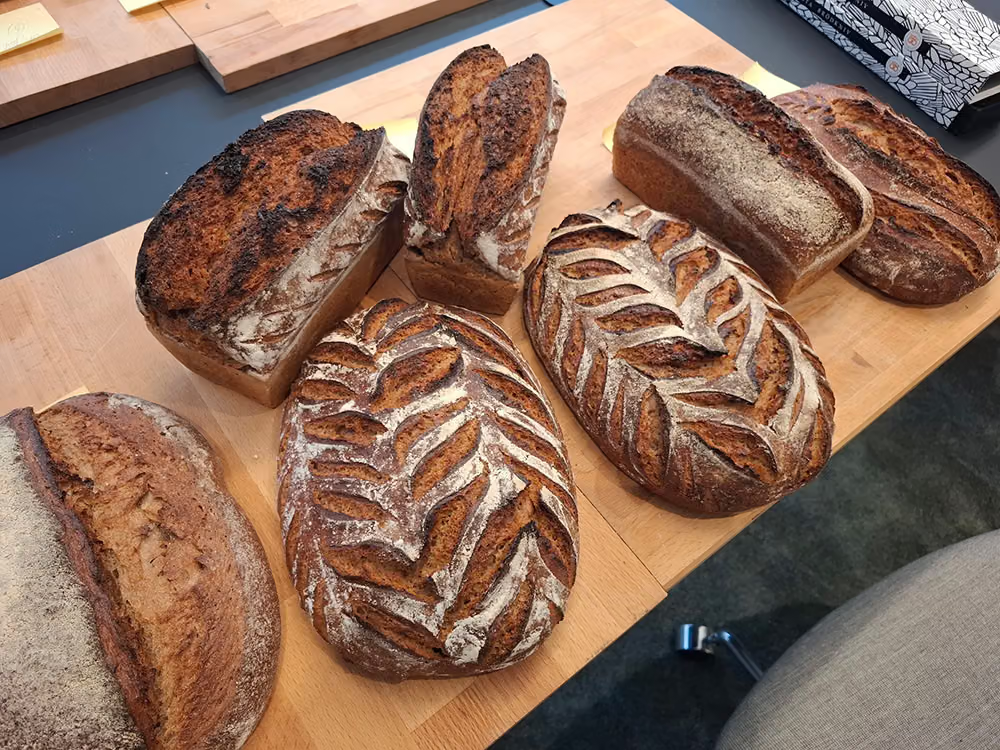
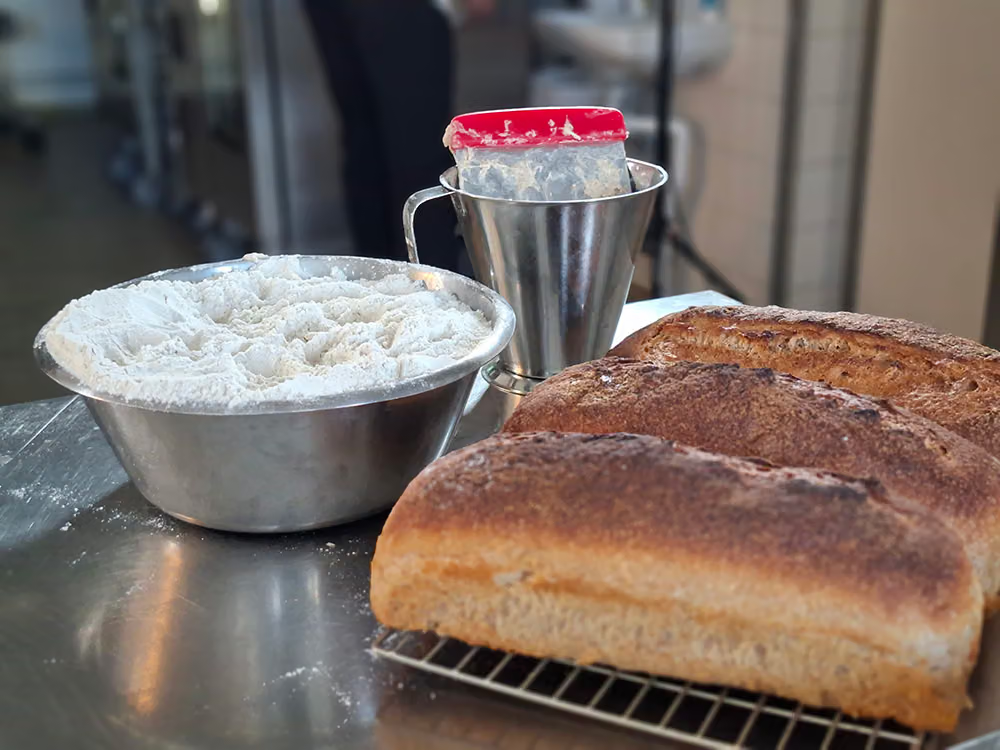
The competition rules were straightforward: each of the seven finalist teams had to submit two kinds of bread—one made with dry yeast, one with their own cultivated sourdough starter. Among the finished products displayed in the studio, four in the center came from the bakery "Bageri April," made using "Munktorp," a blend of seven traditional grains specially suited to the local soil. This wasn't a dessert competition focused on creative plating—it was serious business, jointly organized by Sweden's National Food Agency (Livsmedelsverket) and the Swedish Bakers and Confectioners Association (Sveriges bageri och konditori).
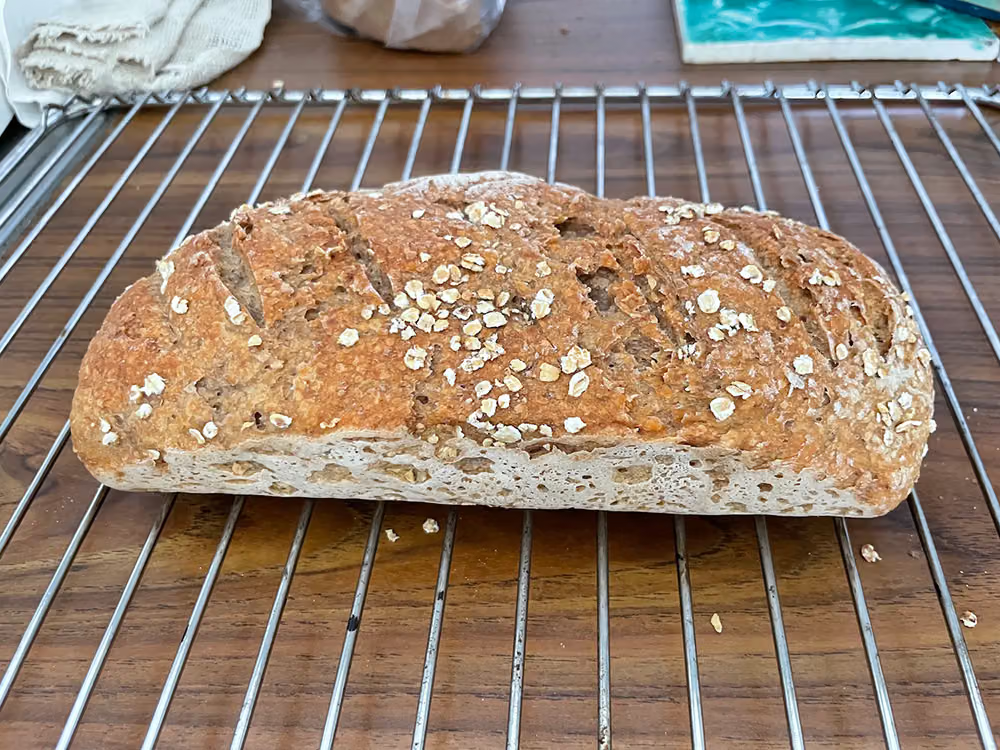
It all started with the tsunami disaster triggered by the earthquake off Sumatra in 2004, after which Sweden gradually stepped up various disaster-preparedness measures, with food and drinking water stockpiles being one component. As climate change has brought more visible disasters in recent years, the country decided to turn to professional bakers for help—tasking them with designing a simple, highly nutritious, and shelf-stable "emergency bread" (Beredskapsbröd).
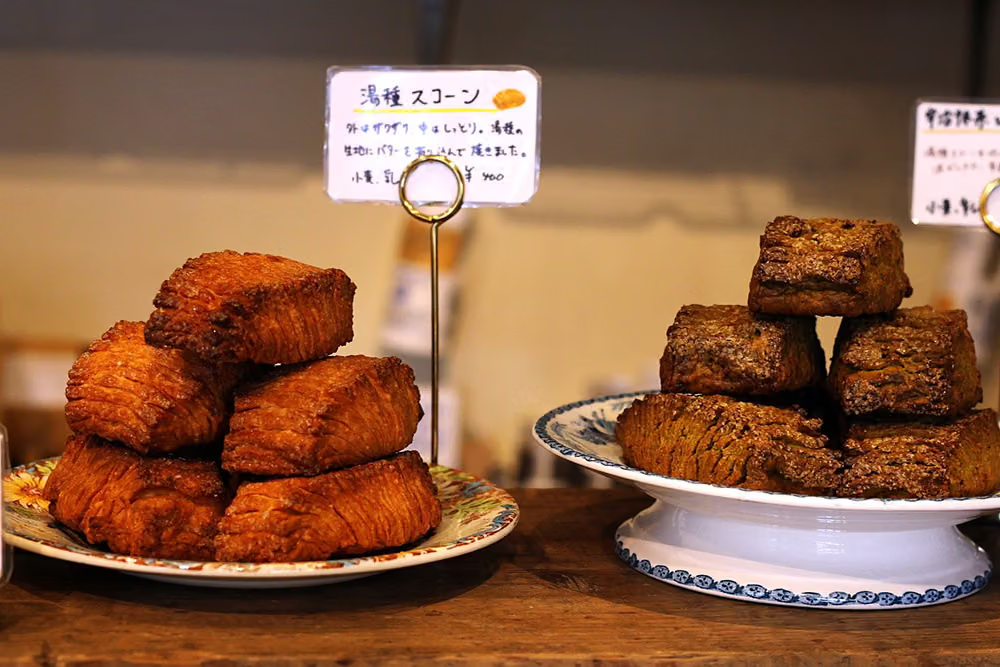
First place went to the Swedish National Baking Team (Svenska bagarlandslaget), who combined whole grain flour with wheat flour using the tangzhong method. The technique involves mixing wheat flour with hot water and letting it rest for an extended fermentation period. This process gelatinizes the starch and locks in moisture, making the bread more shelf-stable; the gelatinized starch is then broken down by enzymes into sugar, giving the baked bread a hint of natural sweetness. Most of the finalist teams adopted this method.
The other teams' recipes each had their own twist: some used potato flour, some added lingonberries, others mashed cooked carrots into the dough, and one team opted for rye flour paired with dark syrup. The ingredients sound different, but they all share one thing in common—every single one can be sourced locally within Sweden.
This is exactly the point the competition is trying to make. In times of crisis—war, disease, natural disaster—what people can rely on are often locally grown crops and goods, along with bakers and school cafeteria cooks scattered across the country. The competition itself isn't about determining a winner; it's about spreading these shelf-stable recipes nationwide, so more people can be a little better prepared when hard times come.