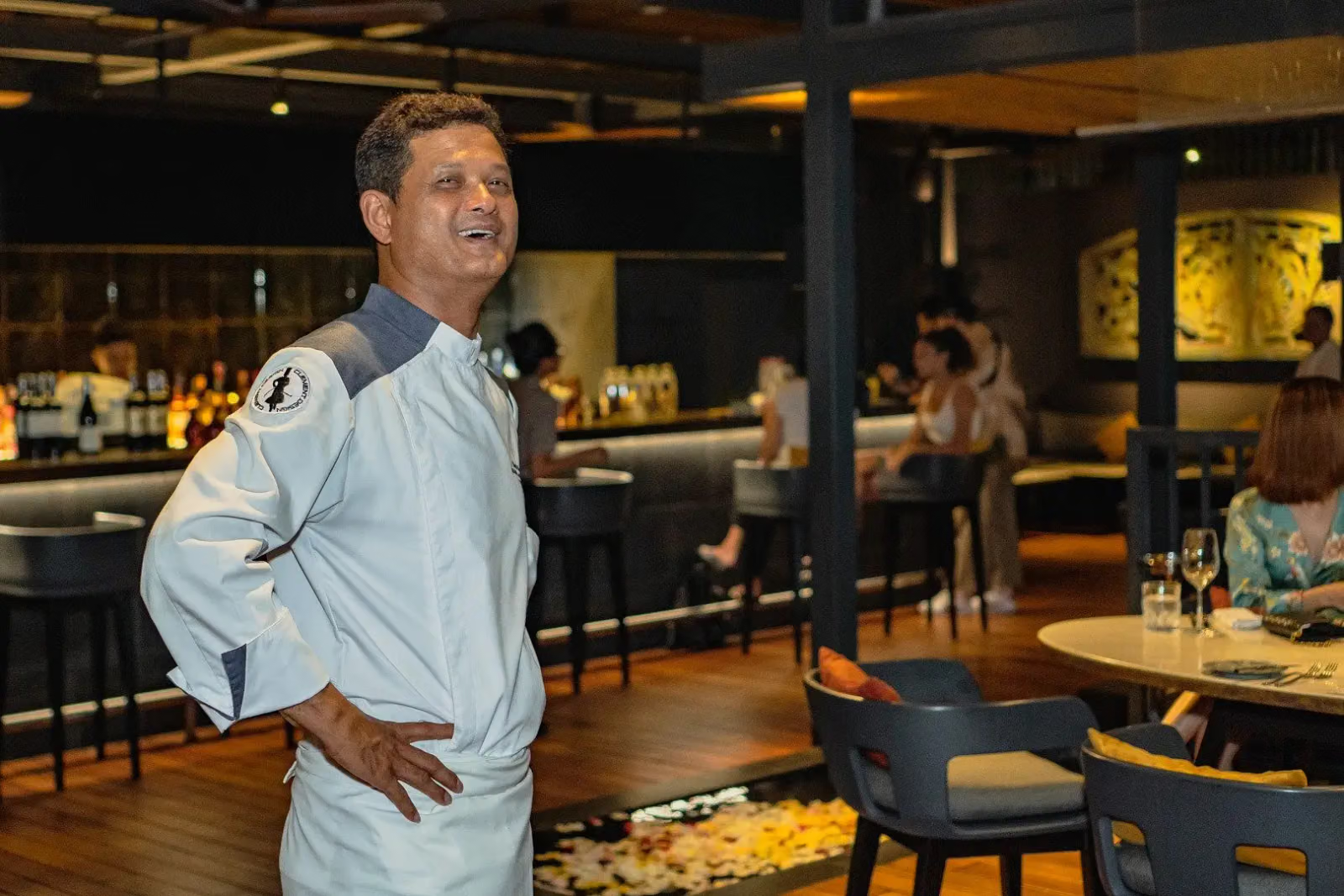
When Sakal Phoeung first arrived in Saigon more than two decades ago, what he found wasn't exactly a fine dining scene — it was a city dominated by street food, where upscale restaurants existed almost exclusively inside hotels. Having cut his teeth in Michelin-starred kitchens in Paris, that experience caught the attention of Sofitel Saigon, and he stepped into their kitchen not long after it opened. Back then, he had no intention of staying long — which is pretty much the same opening line every expat who ends up calling Saigon home tends to share.
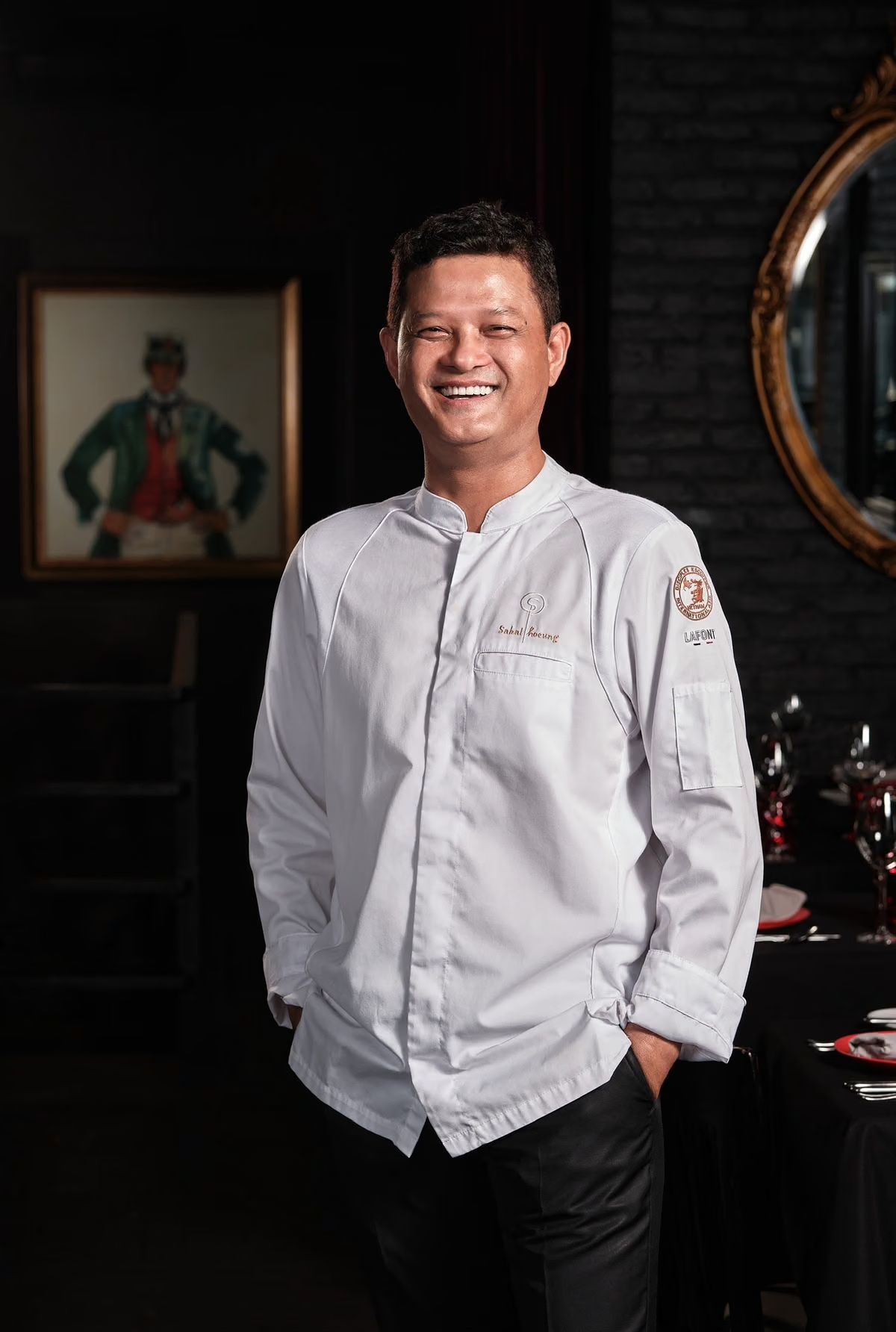
"Vietnam felt really open back then," he recalls of those days. "There was room to experiment, to build a team, to grow alongside the city." What stuck with him most wasn't the ingredients or techniques, but the attitude of the young Vietnamese chefs in the kitchen — cooking wasn't exactly a dream career at the time, and most people were just there for a job, but they learned fast, listened well, and never complained about the work.
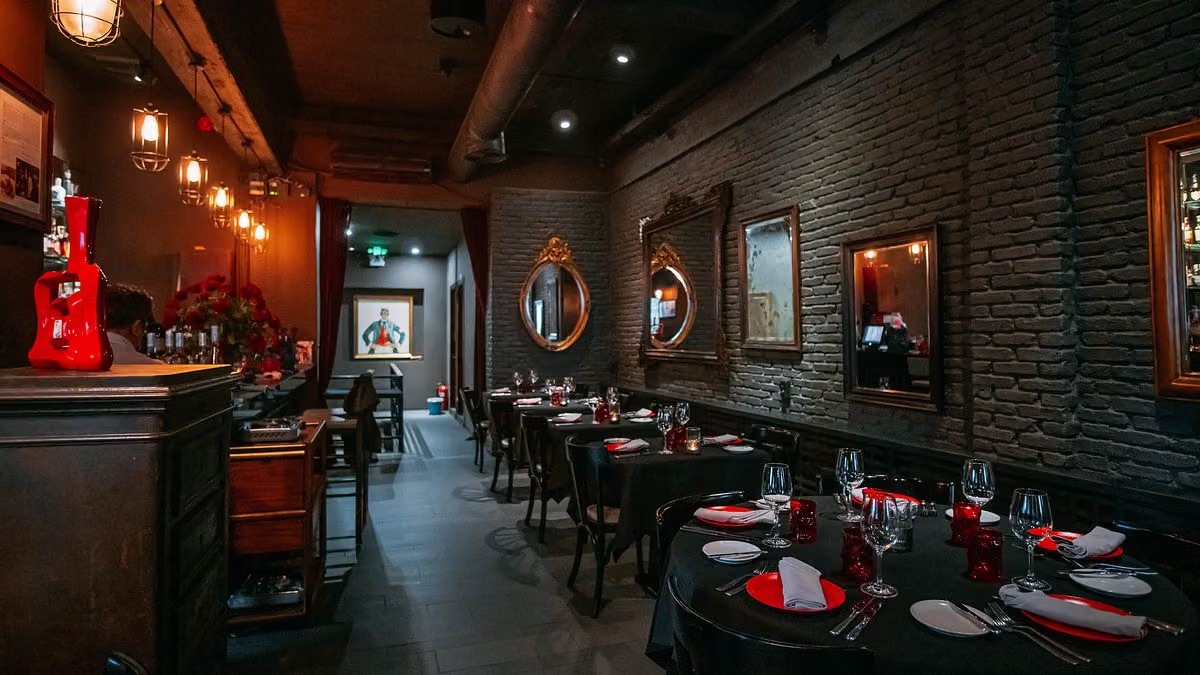
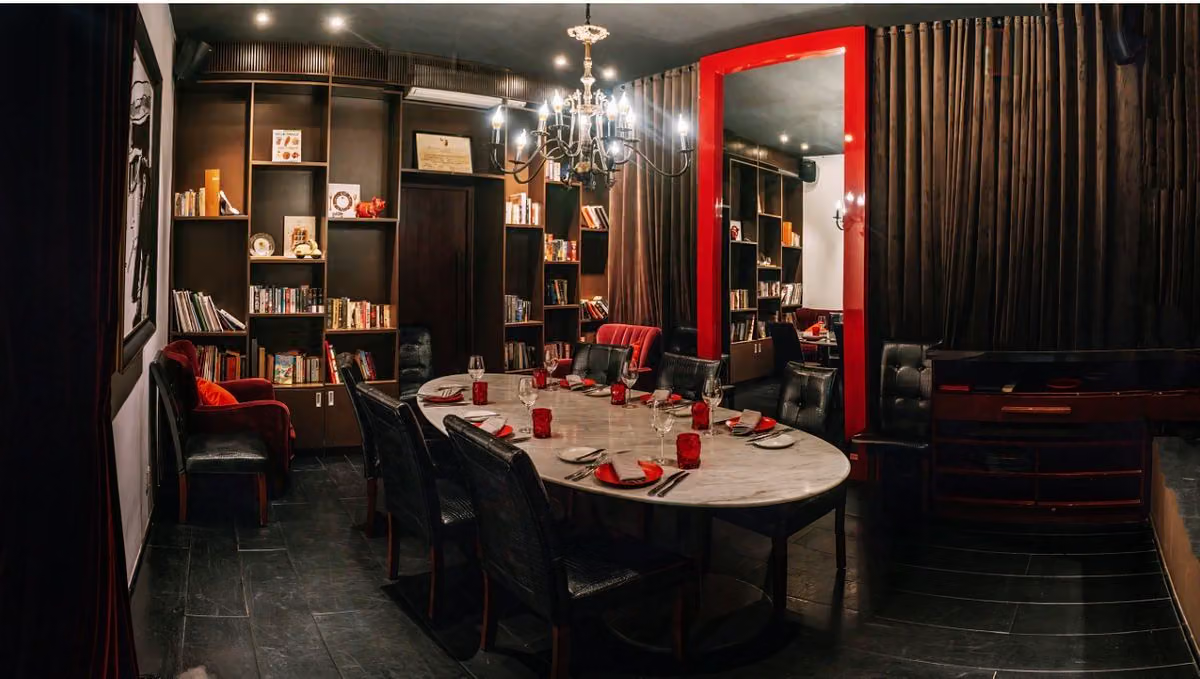
After a full decade at Sofitel, Sakal decided to go out on his own and opened Le Corto. "Le Corto today is pretty close to what I originally imagined," he tells Saigoneer. "The bistronomy spirit, accessible prices, that Parisian-style service, and the intimate atmosphere — it's all still there." Keeping a restaurant running for ten years isn't easy — most owners get caught in an endless loop of tweaking concepts and chasing trends. Sakal took the opposite approach: "We've never changed the core idea, we've just kept making it better." And "better," in practical terms, meant more carefully sourced ingredients, a more complete wine list, and — most importantly — building up a team through discipline and support.
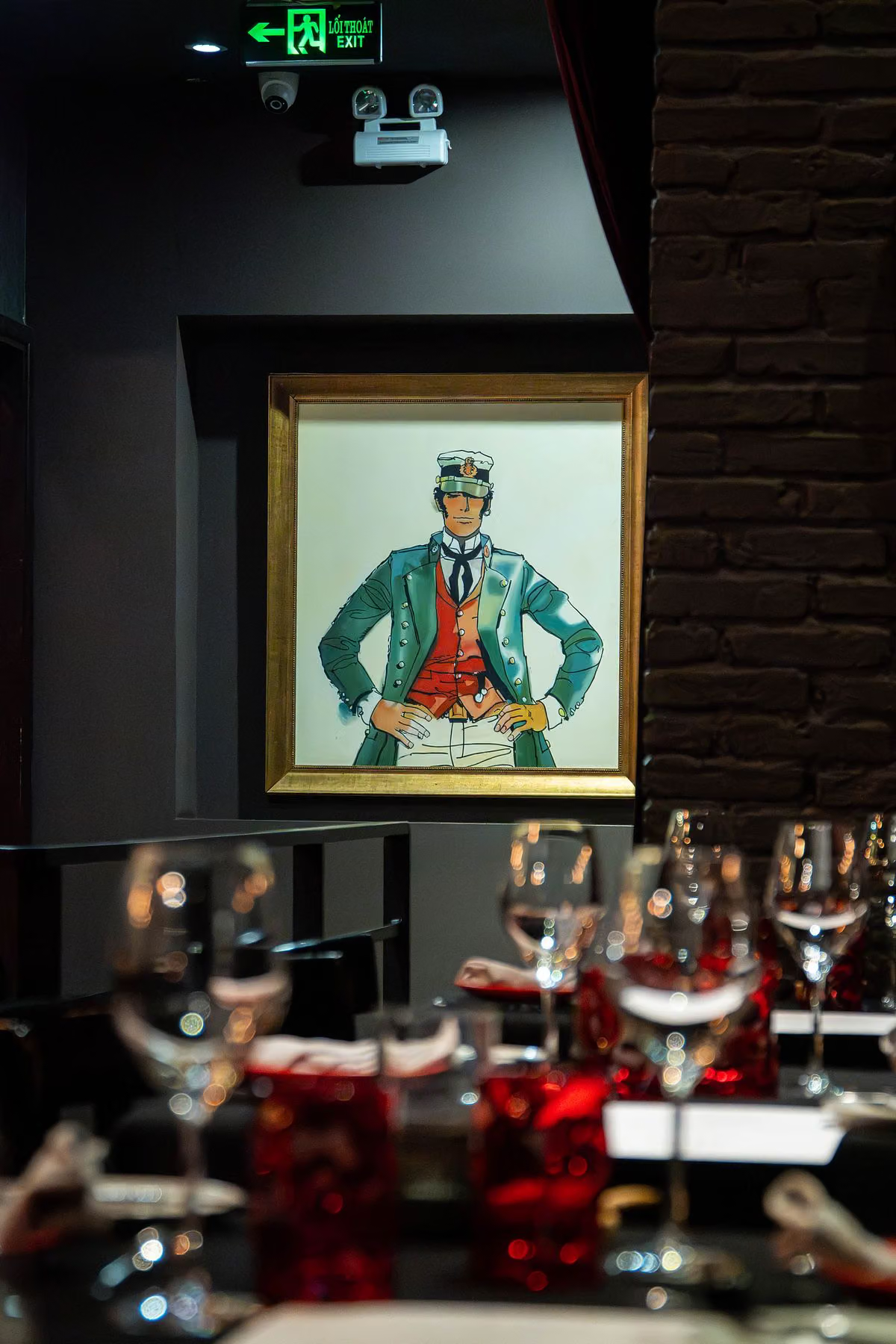
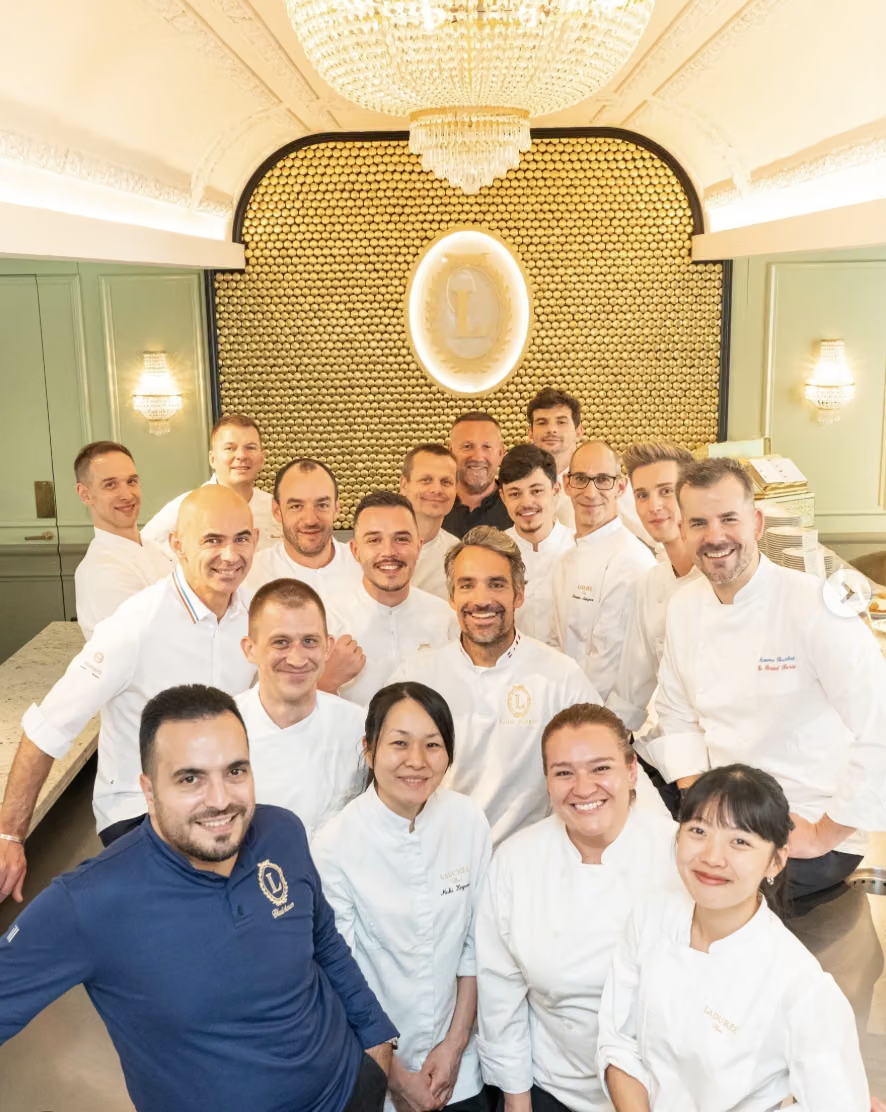
Sakal himself stays modest when the conversation turns to mentorship, but plenty of chefs who've worked under him keep coming back to the same word: discipline. In his kitchen, structure and precision come first, creativity second. "I never just saw the kitchen as a place to train cooks," he says. "It's about shaping people." Over the years, Le Corto's prep stations and stoves have quietly served as an informal incubator for a generation of young chefs — some left after a few years to open their own restaurants, some went on to international kitchens, and others eventually stood on competition stages representing Vietnam. Knowing full well this amounts to a "loss" in terms of return on investment, Sakal has made peace with chefs eventually leaving the nest, sending them off with a single line: leave in order to grow.
Bocuse d'Or: From a Saigon Kitchen to the World Stage
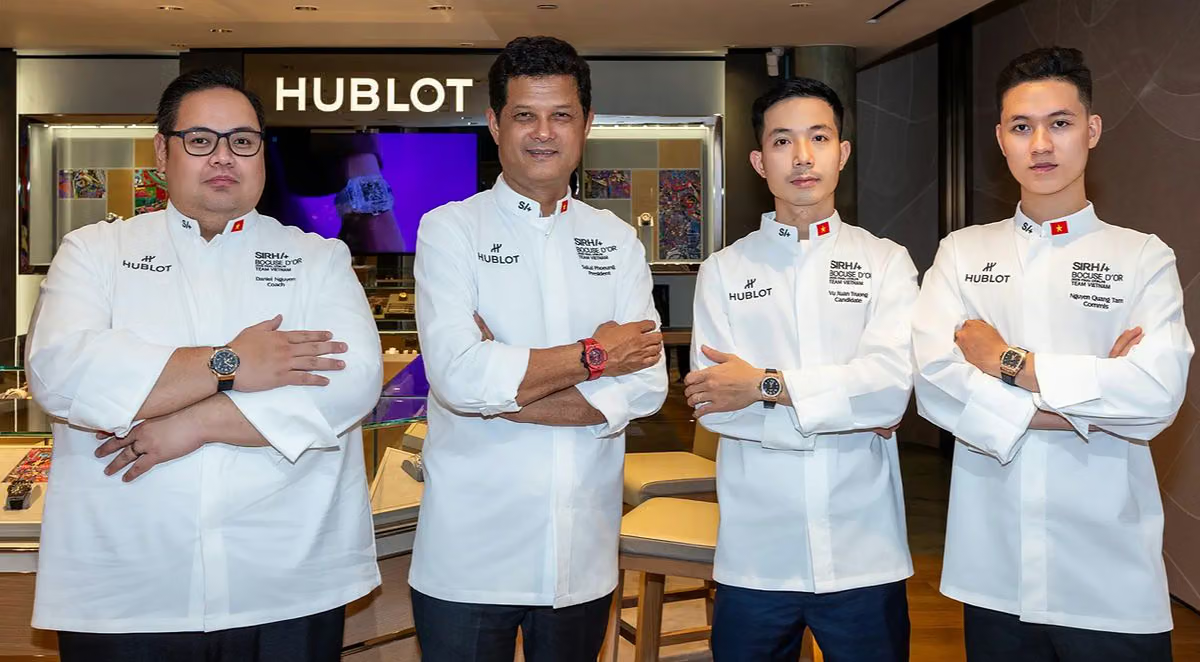
Beyond Le Corto, Sakal has also been carving out a path for Vietnam's culinary scene through the Bocuse d'Or — widely regarded as one of the world's toughest cooking competitions, sometimes dubbed the "Olympics of gastronomy." Teams from more than 24 countries spend months preparing for just a few hours of competition every two years, and thanks to the efforts of people like Sakal, Vietnam now has a voice on that stage too. The 2025 Vietnamese team was made up of chef and coach Daniel Nguyen, Sakal Phoeung as president of Bocuse d'Or Vietnam, chef Vũ Xuân Trường, and chef Nguyễn Quang Tâm.
For Sakal, this isn't just symbolic participation — it's about pushing young chefs to build the kind of composure that lets them hold their own on the international stage. "Talent isn't the issue," he says. "Preparation is the real challenge." The young chefs under his wing bring Vietnamese ingredients and stories to that stage, but what holds it all together is the same structure and calm he emphasizes every single day in the Le Corto kitchen.
More than two decades on, Vietnam is no longer just a transitional chapter for Sakal. Outside the restaurant, he's a regular fixture at the morning markets, personally picking out ingredients for the menu. Asked what he hopes people will remember about Le Corto, his answer is straightforward: "No Michelin star, no global rankings — Le Corto's reputation has been built one diner at a time. That kind of recognition matters more than any award." He wants guests to linger a little longer than they'd planned — no small feat in a city like Saigon, where few things besides a "nhậu" gathering tend to make people want to stick around.