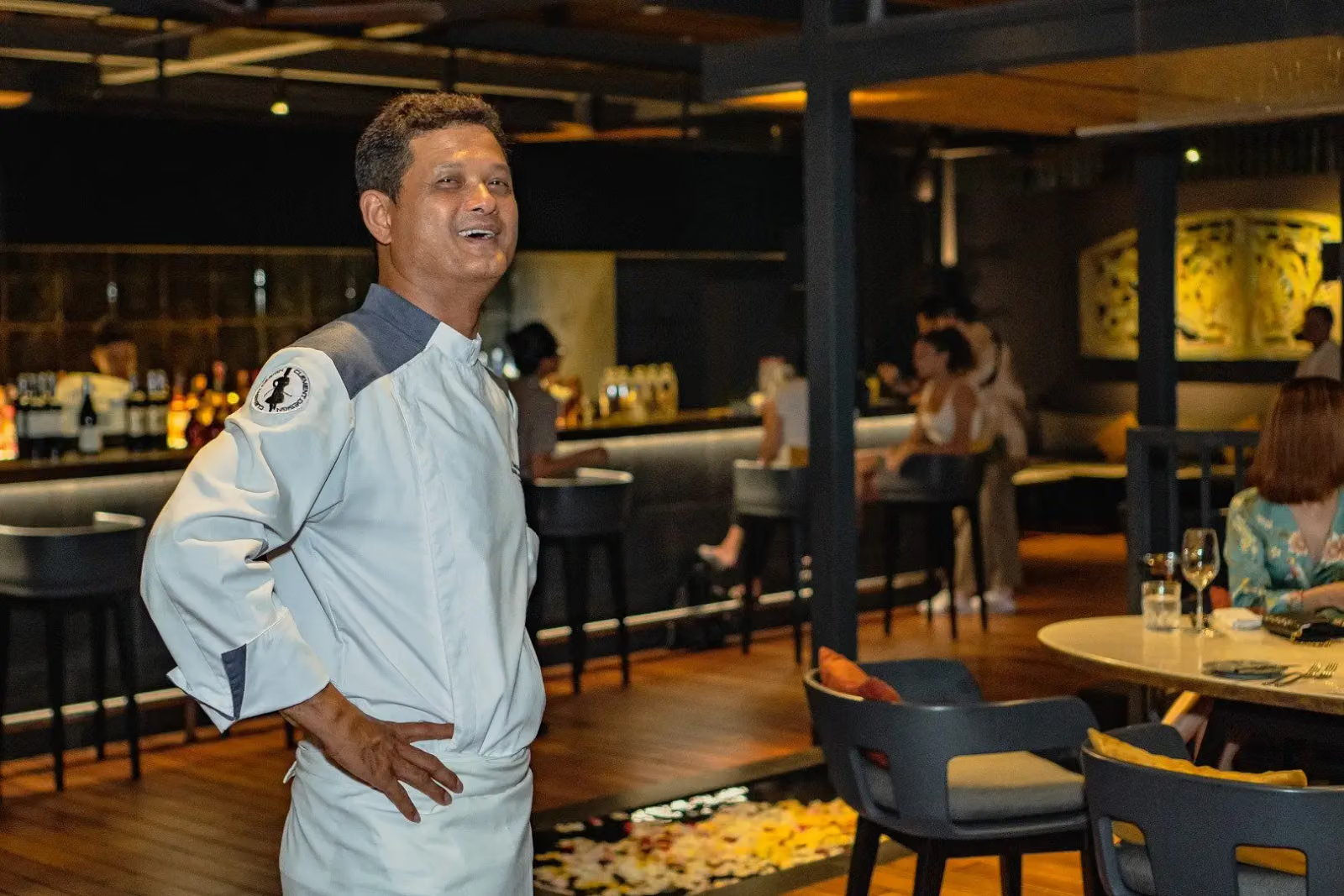
When he first moved to France, Toshiya Takatsuka was struck—during his first trip to the market—by the intense fragrance of fruit in the air, the aroma of flour that bloomed once baked, and the taste of dairy products that held its own against both fruit and flour while still retaining a sense of freshness. "It's interesting how the strong national character shows up even in the ingredients," he describes. This observation later became the core logic behind his approach to making desserts.
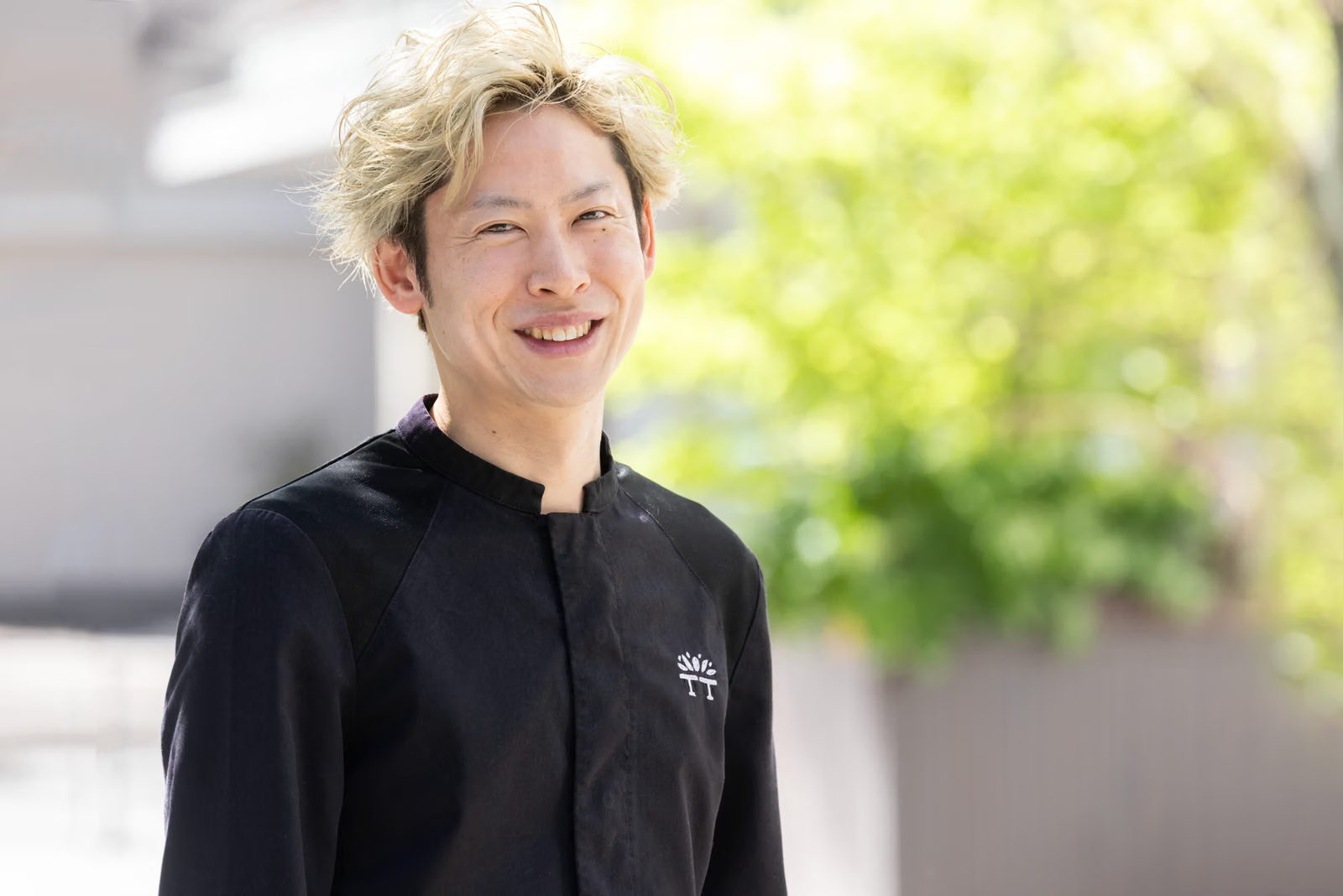
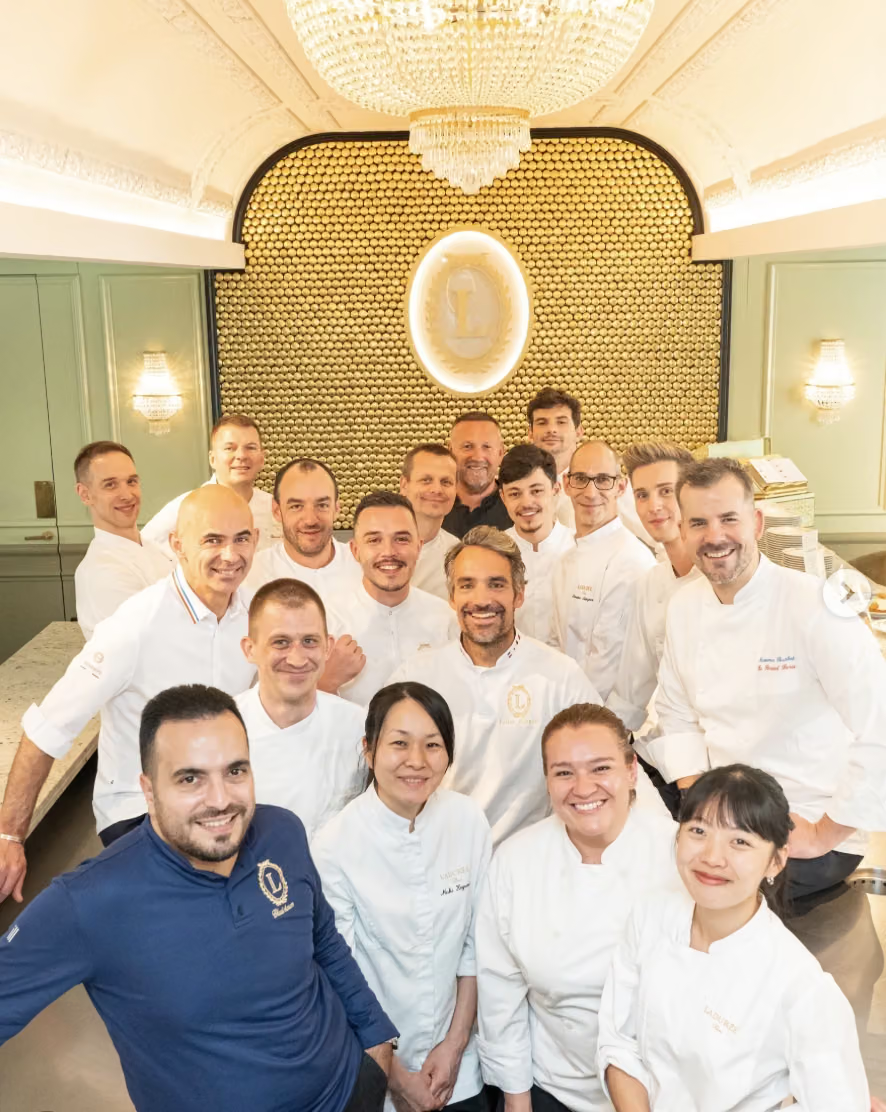
Born in 1984 in Saitama Prefecture, Toshiya Takatsuka trained for four and a half years at "Pâtisserie de Chef Fujiu" before heading to France. He first spent two years working at a pastry shop and in catering in the south of France, then honed his skills at renowned establishments in Paris including "L'Atelier de Joël Robuchon" and "Hôtel Lancaster." Starting in 2013, he served a full decade as pastry chef at "Restaurant KEI," the Kei Kobayashi-helmed restaurant that earned three Michelin stars in 2020. In April 2025, he opened his own shop, "Pâtisserie TOSHIYA TAKATSUKA," in a quiet residential area of Paris's 15th arrondissement, near the Eiffel Tower.
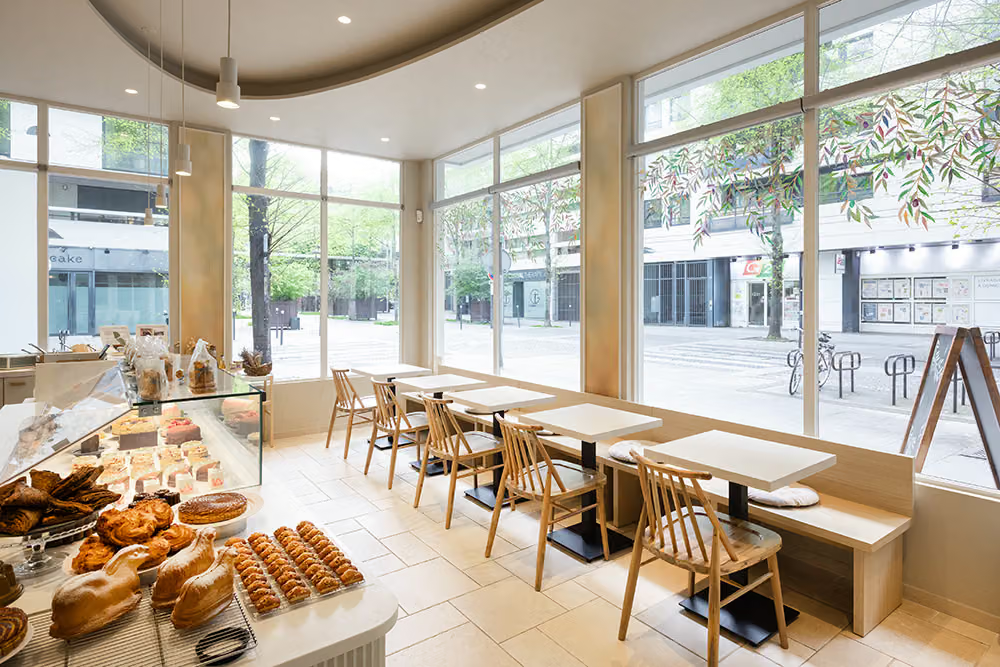
Before leaving the restaurant where he'd spent a decade, he asked himself what he wanted to accomplish through making desserts, and the answer he arrived at was "contributing to society through pastry"—introducing high-quality Japanese ingredients to French producers, or using Paris's stage as a hub for top-tier pastry to spread the word about honey and fruit produced in France's regions. This led him to compare the dairy cultures of the two countries: "Japan has a rich variety of dairy products—it's pastry-chef-first, meaning you can find almost any type of cream you want. France is the opposite—there are fewer varieties, and it's ingredient-first: the butter or cream in front of you is the star, and the challenge is figuring out how to turn it into a dessert."
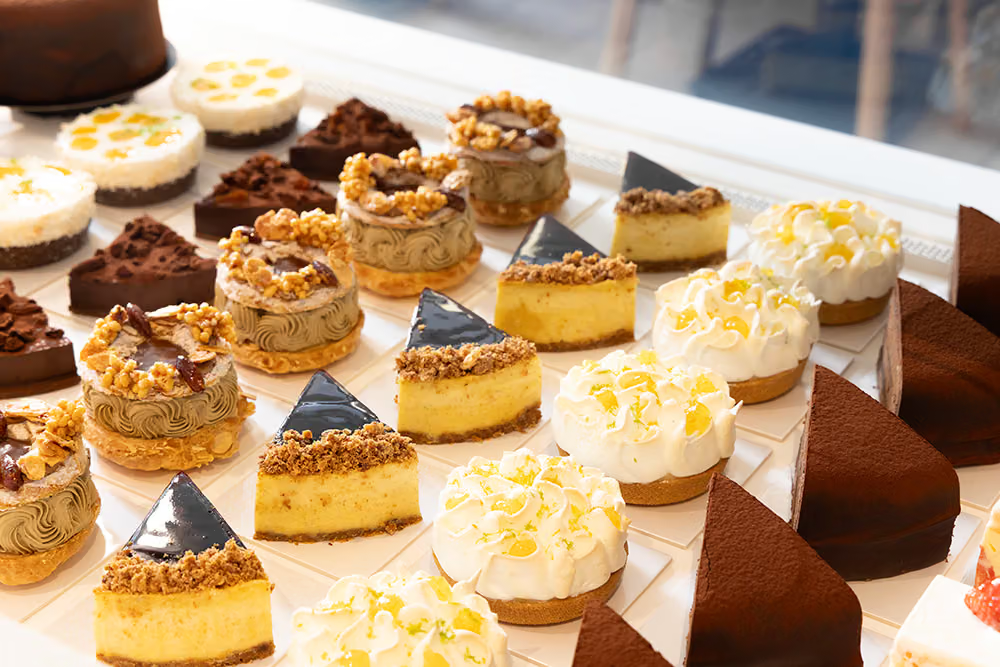
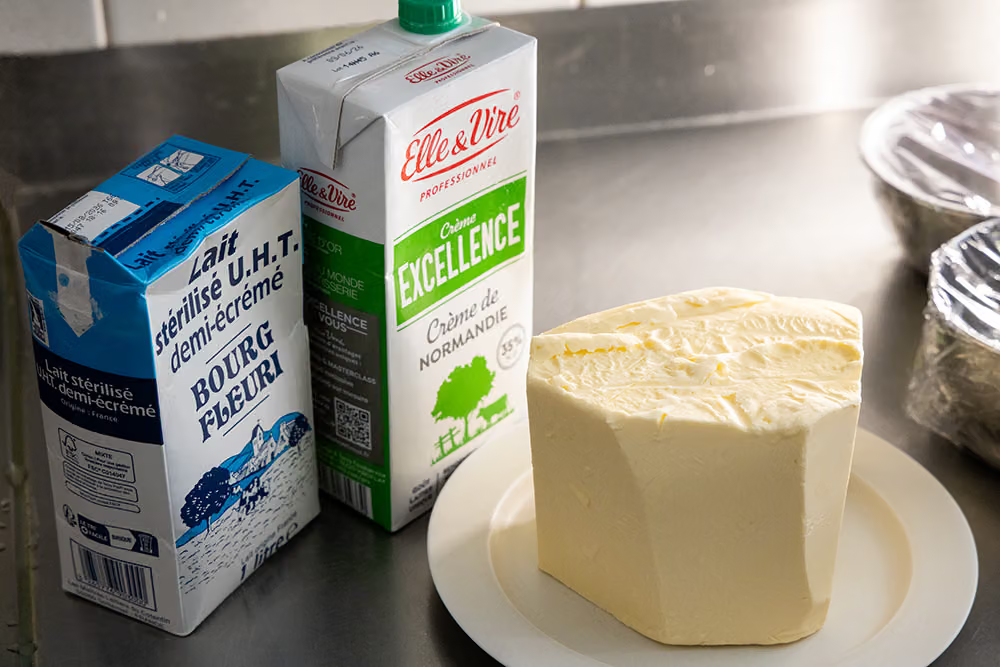
The butter he uses in his shop comes from a producer in Brittany, its sharp lactic tang and rich flavor lending a long finish, while also carrying a crisp, light texture that never feels overly heavy. For cream, he chooses a major brand's product, which whips up with a high air content—rich in flavor but light on the palate. "Japanese whipped cream feels denser, which may be due to differences in the fat structure." As for milk, he uses an unbranded low-fat variety to dilute the overly strong flavors of the butter and cream. "Richness coexisting with a certain lightness—this seemingly paradoxical quality is exactly the charm of French dairy, especially butter and cream."
He chooses to express this paradox directly through the French flan—where the filling ratio far exceeds that of the tart shell at the bottom, allowing the flavor and texture of the dairy to shine through as purely as possible. For the Paris-Brest, he whips the cream into a mousseline cream, creating an airy, light texture; the shop's popular Japanese-style roll cake, meanwhile, uses a generous amount of cream, relying precisely on the rich-yet-not-heavy quality of French cream—a combination, he says, that "could only be made in France."
Using Normandy Cream Cheese to Create a Dessert That Requires No Heating
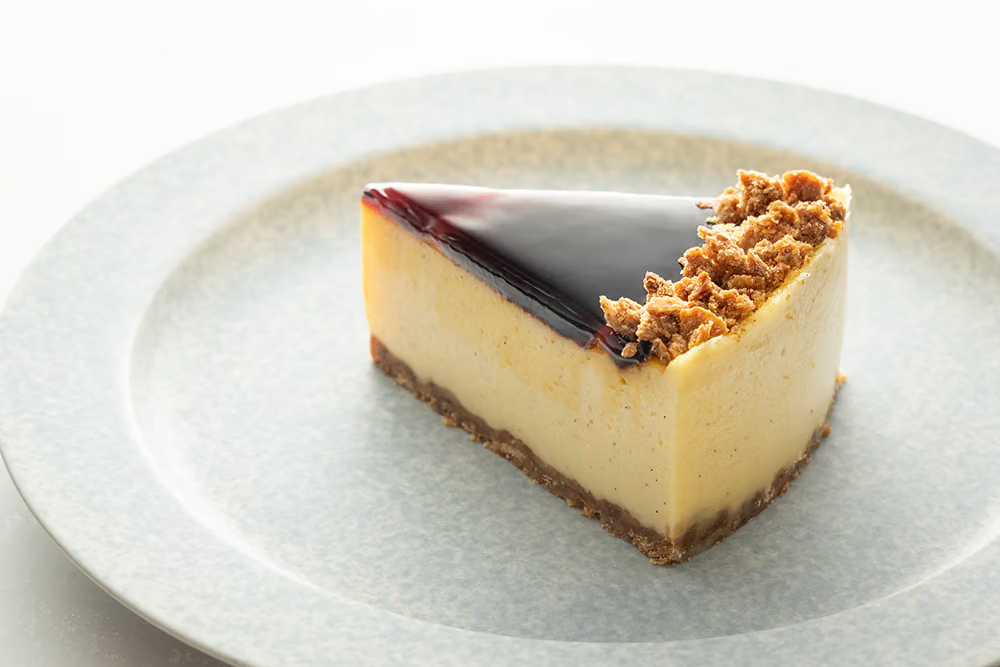
"Fleur de Normandie" is a new brand launched after a long-term collaboration between Japanese dairy company Takanashi Milk Products and the Isigny Sainte-Mère dairy cooperative in Normandy. Its first product is a cream cheese, produced right there in Normandy. Toshiya Takatsuka was invited to design a dessert using this cheese.
"There isn't really much cream cheese in France—what you find in supermarkets is basically just a few options from major brands," he says. The Fleur de Normandie cream cheese has a firmer texture than those major-brand versions, with pronounced acidity and relatively low salt content. "Eaten on its own, the tanginess is a bit strong, but once paired with ingredients like cream, that acidity gets balanced out nicely." He recommends whipping cream and mixing it with this cheese, paired with berries like raspberries and strawberries. Because the flavor is so pure on its own, he chose not to heat it, instead designing a recipe that preserves the milky aroma directly.
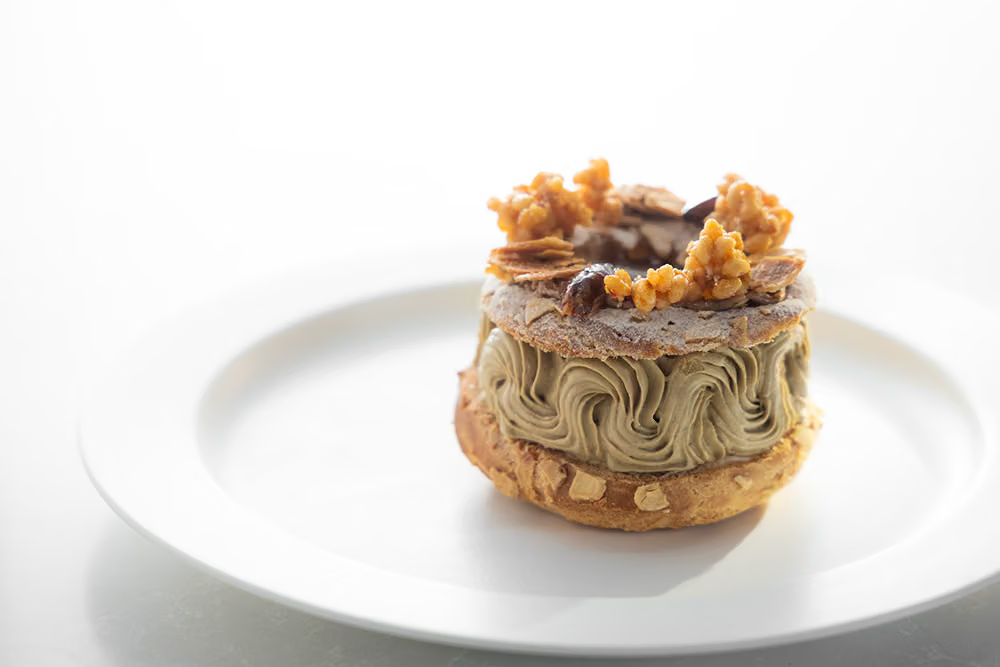
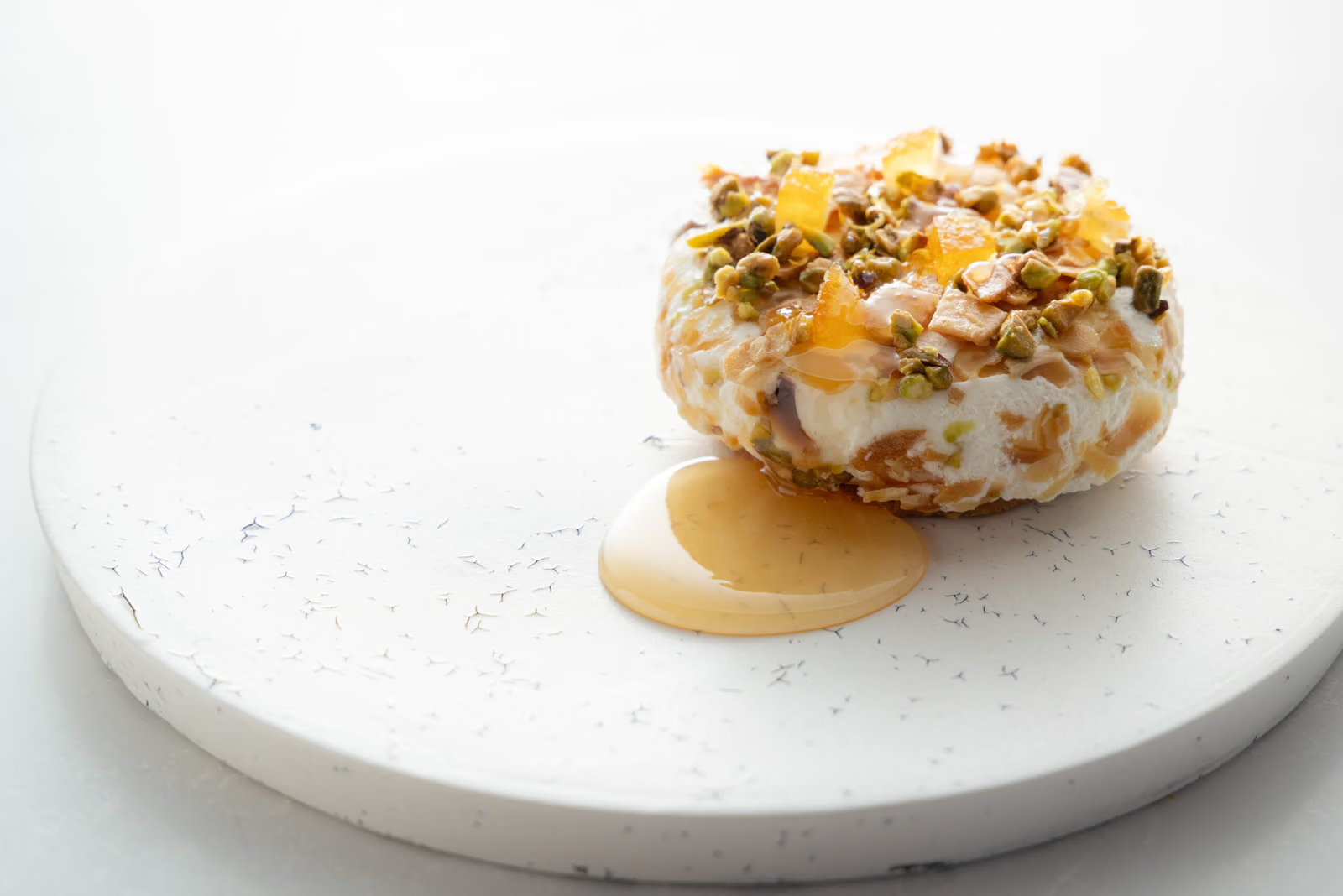
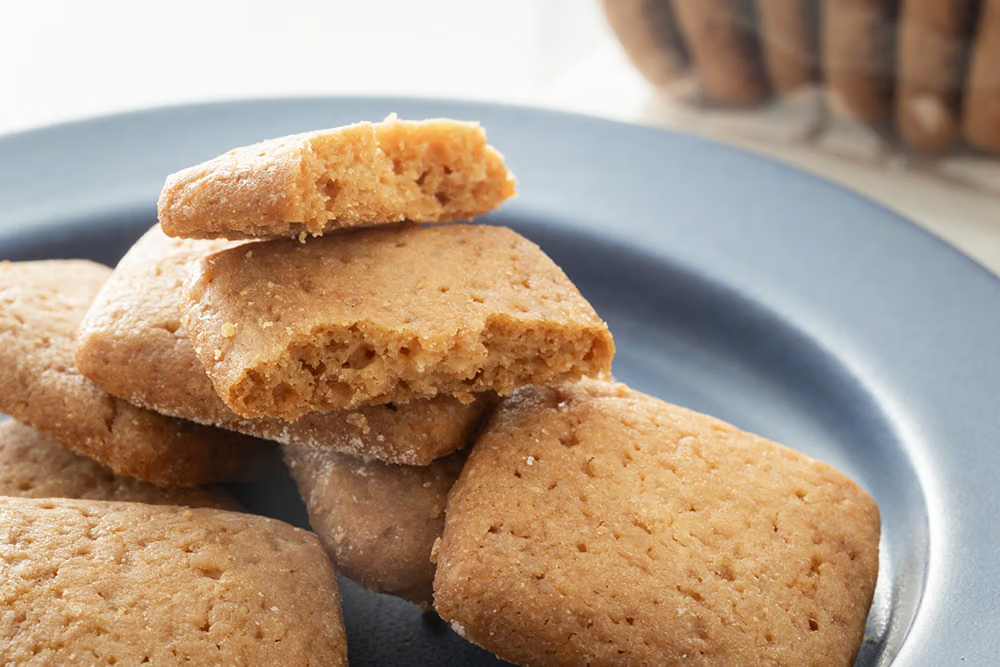
The "Mousse Fleur de Normandie" he designed for this uses ring molds 8 centimeters in diameter and 4 centimeters tall, yielding 20 servings: 400 grams of cream, 400 grams of Fleur de Normandie cream cheese, 125 grams of yogurt, and 20 grams of honey are mixed together first—deliberately left uneven to preserve a bit of texture; the honey is intentionally added at this stage to avoid losing its aroma to heat once folded into the Italian meringue. The meringue is made with 180 grams of egg white, 65 grams of water, 110 grams of fine sugar, and 210 grams of glucose syrup, cooked into a 120-degree syrup, then combined with 100 grams of gelatin gel. The base is paired with a 7-centimeter Sablé Breton cookie, garnished with 100 grams each of sliced almonds, crushed pistachios, and candied orange peel.
Pâtisserie TOSHIYA TAKATSUKA is located at 16 rue George Bernard Shaw, 75015 Paris, open daily from 11:00 AM to 7:00 PM, closed Sundays and Mondays. Toshiya Takatsuka's "Flan" recipe is featured in Takanashi Milk Products' dairy magazine "Vif." For inquiries about Fleur de Normandie, please contact Takanashi Sales Co., Ltd.