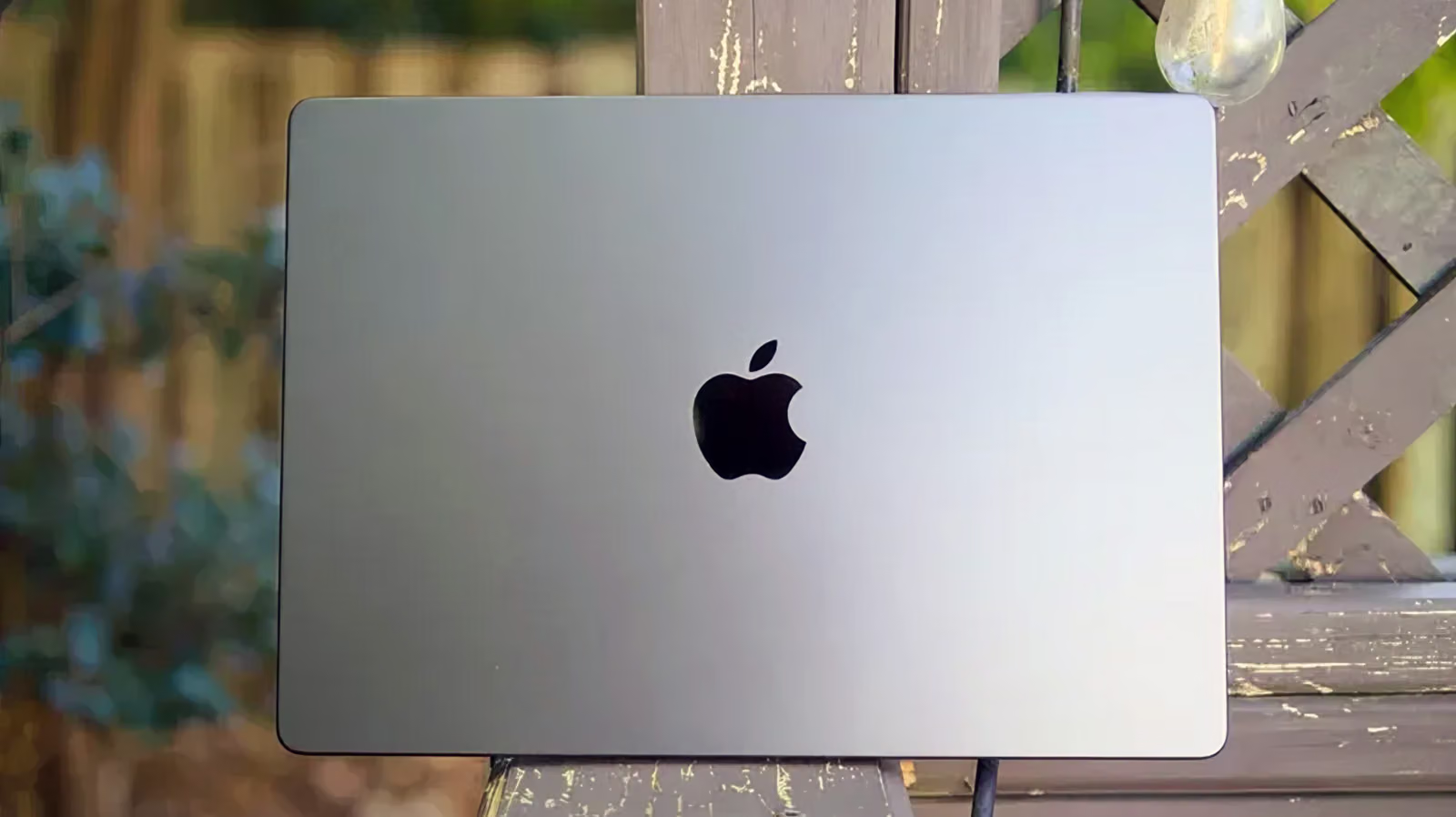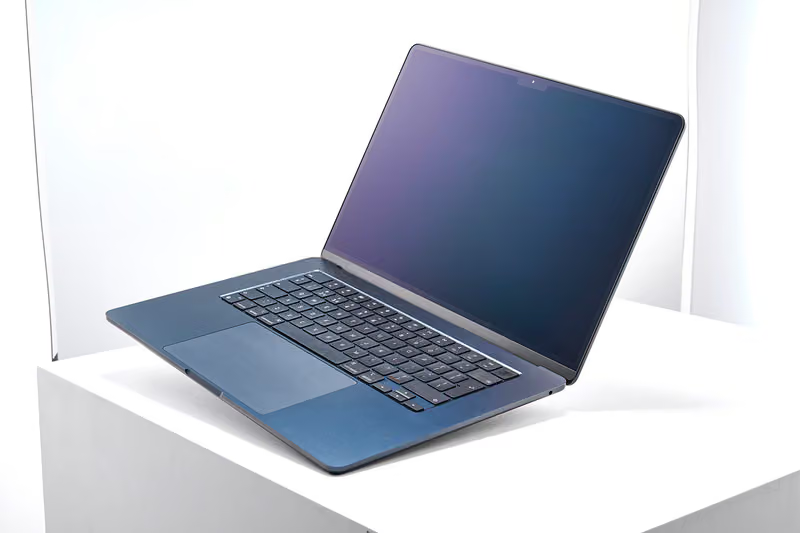
Empty shelves at Apple Stores used to be a Mac mini or Mac Studio problem — niche machines that never sold in huge volume. Now it's happening to the MacBook Air, the best-selling Mac on the planet.
The bottleneck isn't Apple's fault — it's memory chips. AI companies have spent the past few years buying up memory like crazy to train their models, outbidding traditional consumer electronics makers in the process. Chipmakers have responded by prioritizing production for AI clients. Apple CEO Tim Cook has called it a "once-in-a-century flood" hitting the supply chain — dramatic phrasing, sure, but not far off from what's showing up on Apple's own site. Several MacBook Air configurations now list ship dates pushed to late August, with some custom builds not arriving until September.
To manage the cost pressure, Apple has made two moves. First, a straight-up price hike: the M5 MacBook Air just went up $200. Second, a shift in marketing strategy — the usual annual back-to-school promo has been delayed, with marketing dollars redirected toward pushing the base 14-inch MacBook Pro instead. Even more telling: MacBook Air promotional materials now include the phrase "subject to availability" for the first time ever — language that's never shown up in Apple's marketing copy before.
On the supply side, Apple is also trying to help itself, actively seeking regulatory approval to source components from Chinese memory supplier CXMT in order to shore up inventory for the domestic Chinese market. Until the global supply chain recovers from this AI-driven crunch, buying a MacBook Air is going to take a little more patience — and a little more cash.
The report doesn't specify exactly which regions are affected by the shortage or how talks with CXMT are progressing. Further details should follow in official announcements from Apple.