Tool first, purpose later—that's the backwards order in which Sharp the canoe came into being, flipping the usual design logic on its head. During a residency at Rhizome studio in France's Morvan region, designer Guillaume Bloget found himself face to face with a brand-new brake press the studio had just picked up. Lakes everywhere, a fresh machine on hand—put those two things together, and instead of some industrial component, out came a boat you can actually paddle.
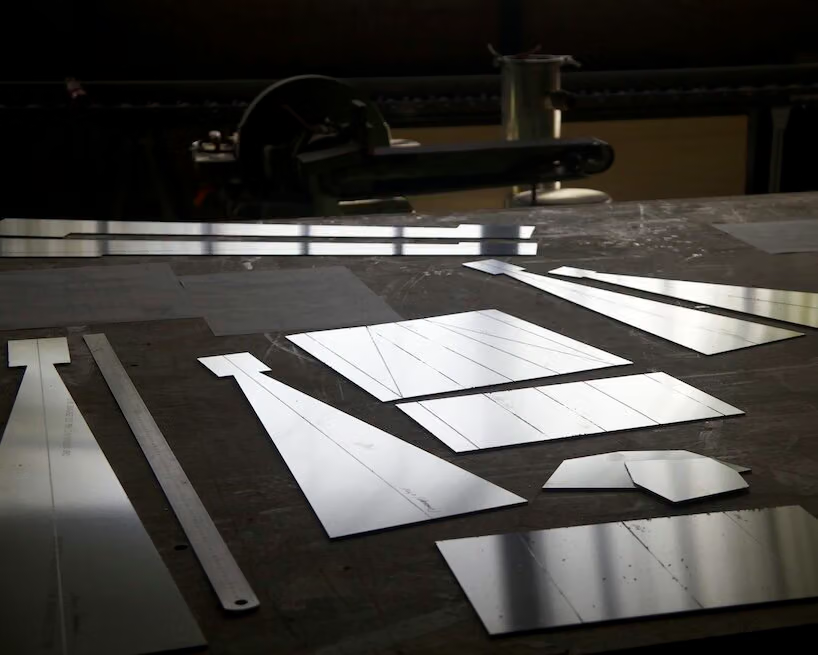
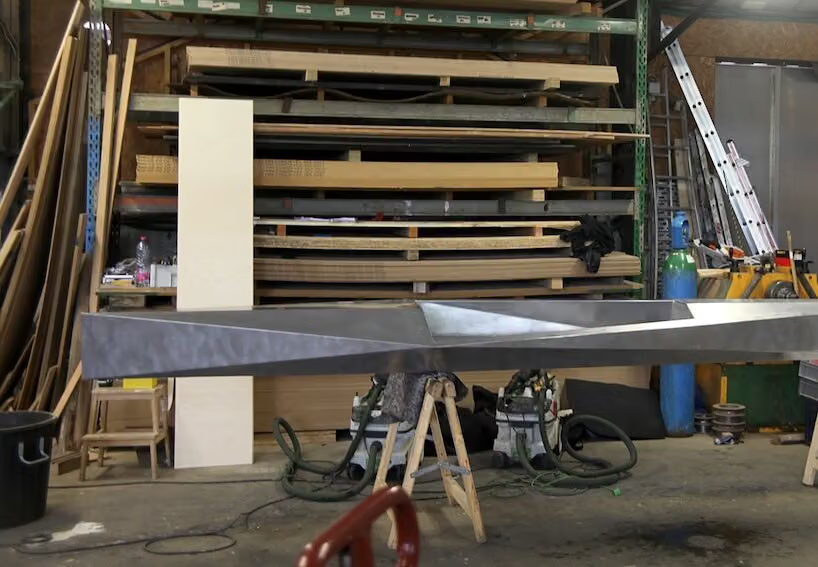
Sharp's hull is built entirely from folded aluminum sheet, with zero internal frame. The fold lines themselves act as the ribs, and the panels themselves form the structure—held up by a double-layer construction that also makes the whole thing inherently unsinkable. It's a technique normally reserved for bending industrial sheet metal, applied here to something as leisurely as canoeing. Above the waterline, the hull holds sharp, angular fold lines; below it, the real work is converting paddle force into forward glide while keeping energy loss to a minimum. That hydrodynamic shape wasn't sketched out in one go—it came from testing half-scale models on the water, refining the form through repeated trial and error, before finally locking in the full-size version.
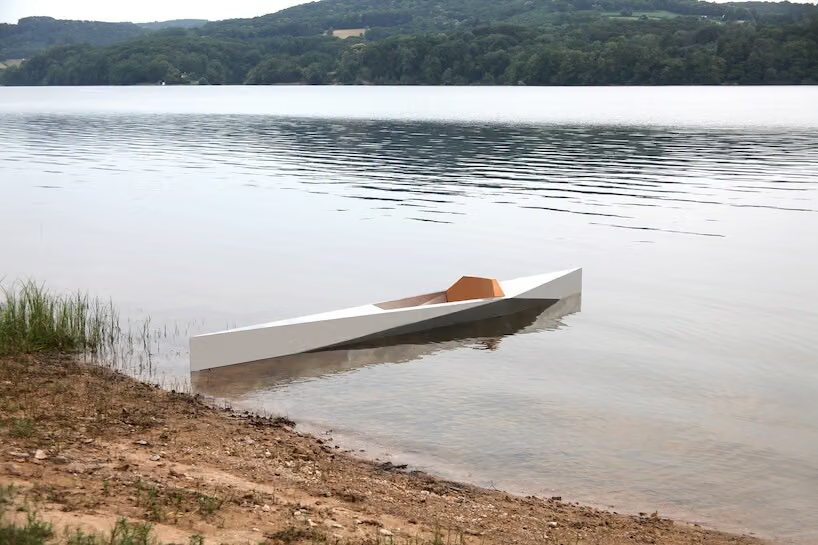
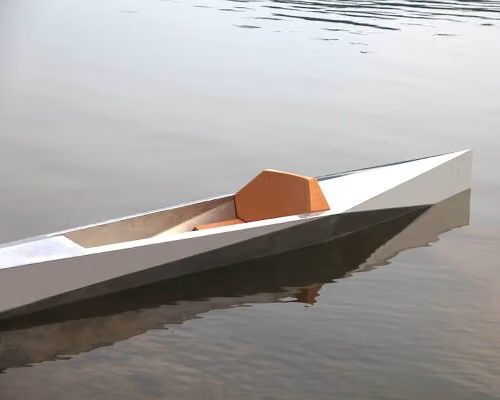
Inside the cockpit sits a cork seat, cushioning the gap between the hull's sharp angles and the body's soft curves—and adding a bit of warmth and texture to an object that's otherwise all metal. Outside, the aluminum is left in its raw finish, its facets scattering and reassembling reflections off the water's surface, so the boat's look shifts constantly with the surrounding water color and light.
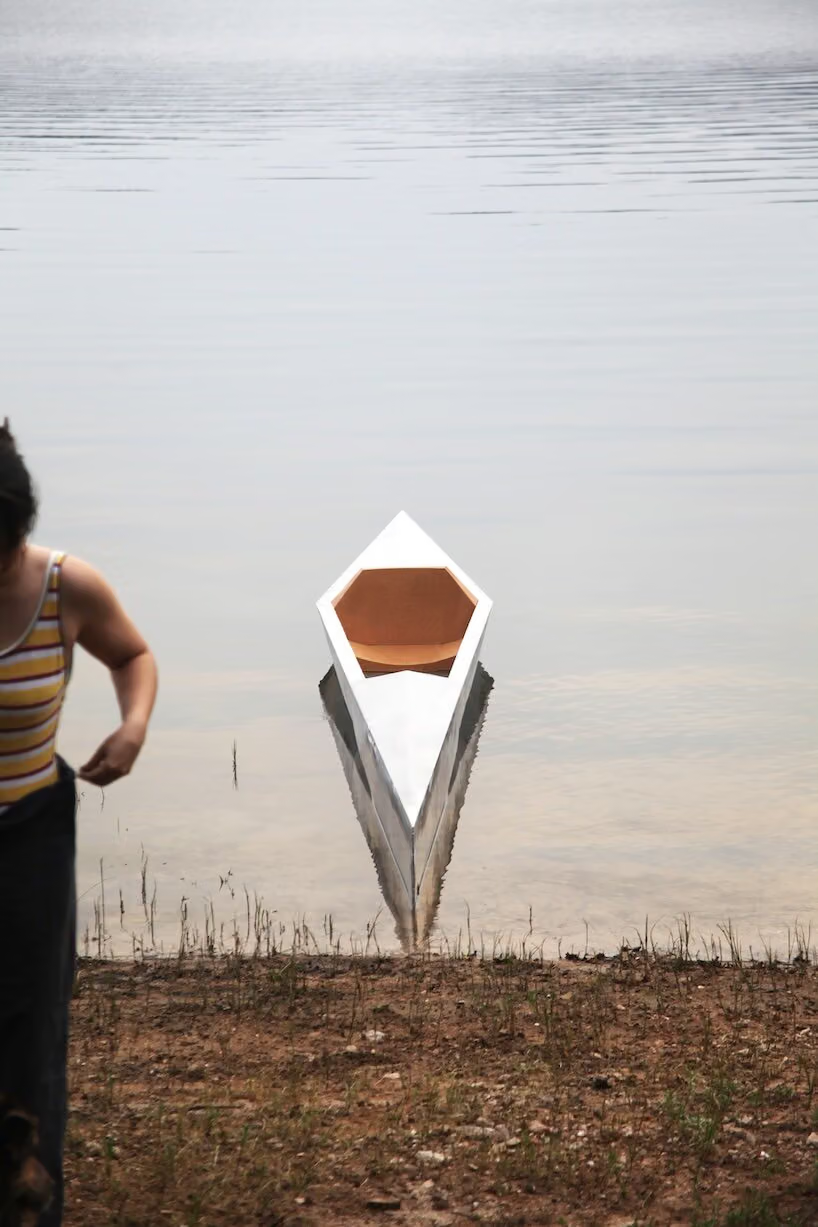
From model to finished boat, craftsman Antoine Rivière built the first full-scale prototype, translating the fold lines and double-layer construction into something that could truly hit the water. Sharp is currently made to order by Rivière, carrying forward the same hands-on, figure-it-out-as-you-go approach from the residency, without ever being reworked into a mass-production-friendly version. Aluminum sheet, cork, and a handful of precisely calculated fold lines are asked to deliver buoyancy, structure, and riding comfort all at once—and throw in some serious visual flair on top. For a canoe that only came to exist because a machine showed up in a studio, that's a solid case of following the tool first and asking questions later.
No pricing or purchase information was provided in this article.