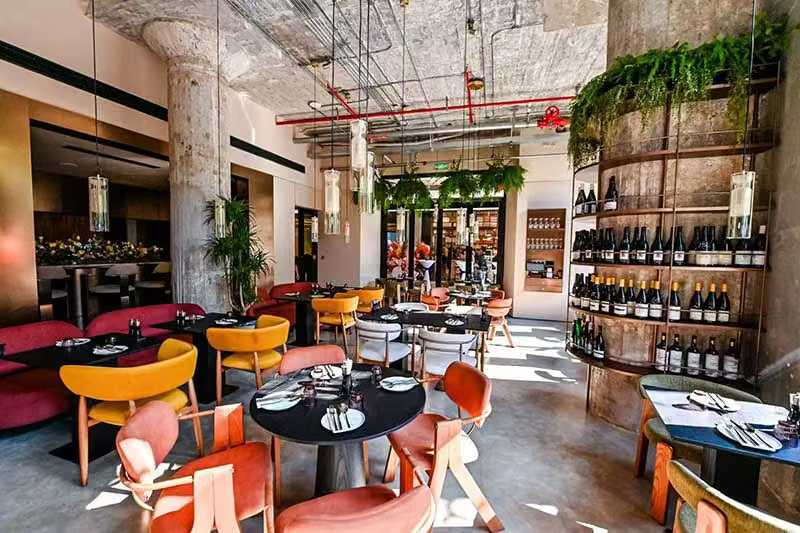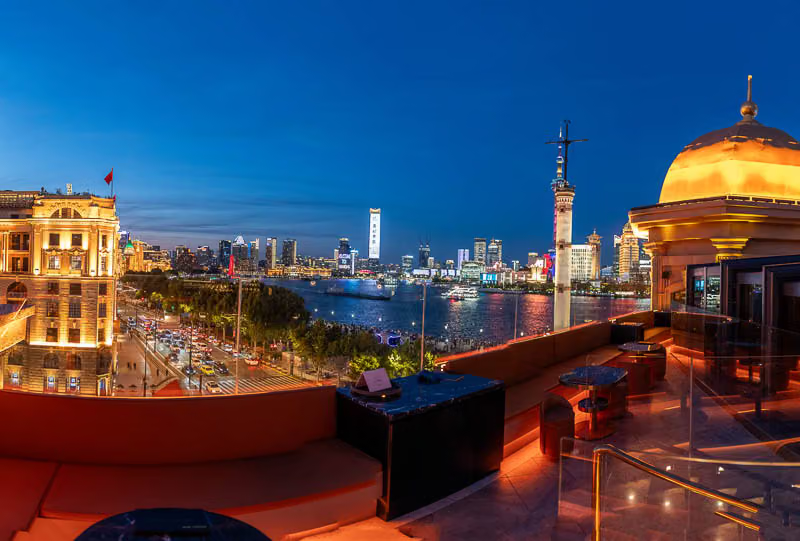
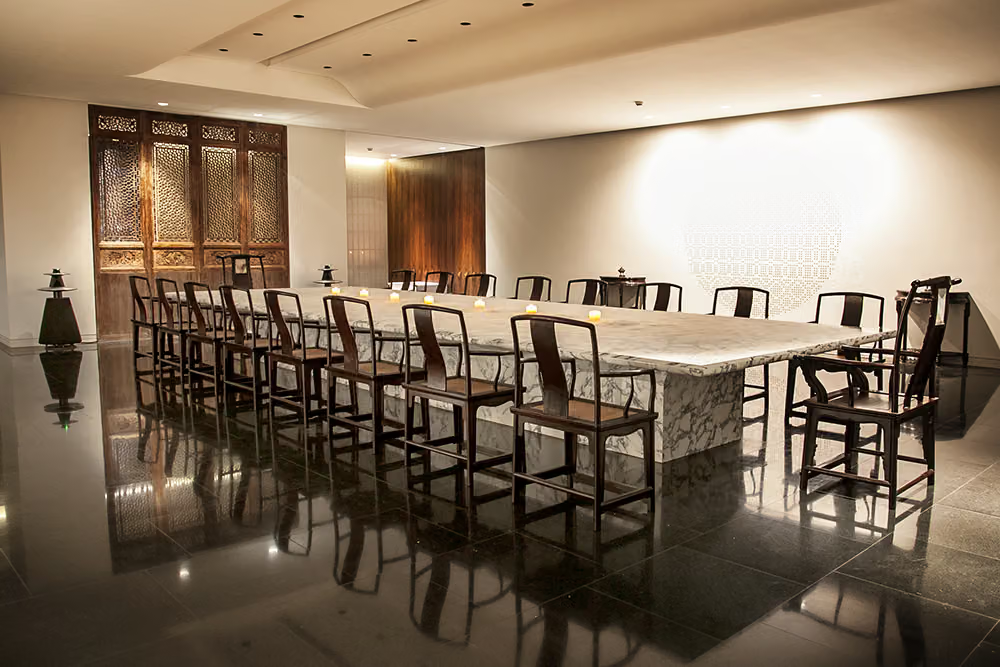
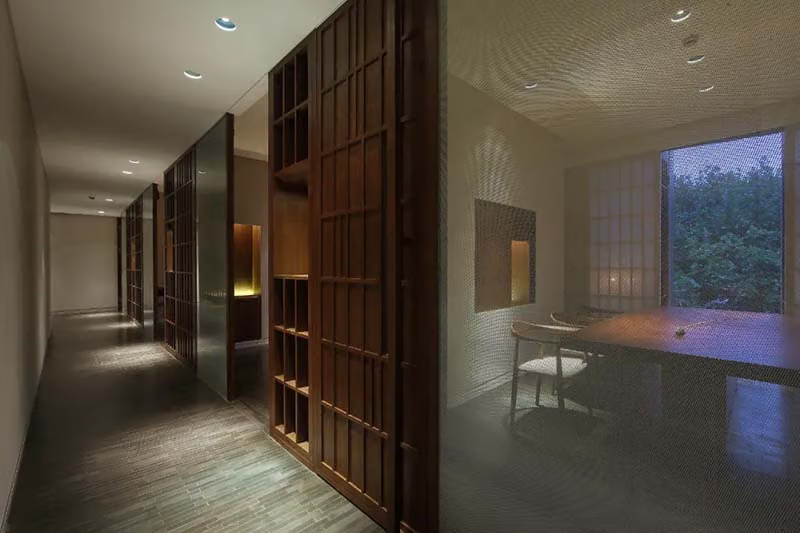
Ten years ago, if someone said "creative vegetarian Chinese cuisine" could land two Michelin stars and a spot on Asia's 50 Best Restaurants, hardly anyone would have believed it. Fu He Hui made it happen—and it's obsessive about how it did so: the menu changes every season, the entire tableware set is redesigned to match, and ingredients are sourced from all over China, with provenance and seasonality checked before anything hits the table.
Catching the last day of the 2026 spring menu was a deliberate choice—it's when the vegetables are at their peak, and the variety is at its widest. This meal is a reminder that while the craft here is disciplined and precise, at its core it's about respect for vegetables, not a trick to disguise plant-based dishes as meat.
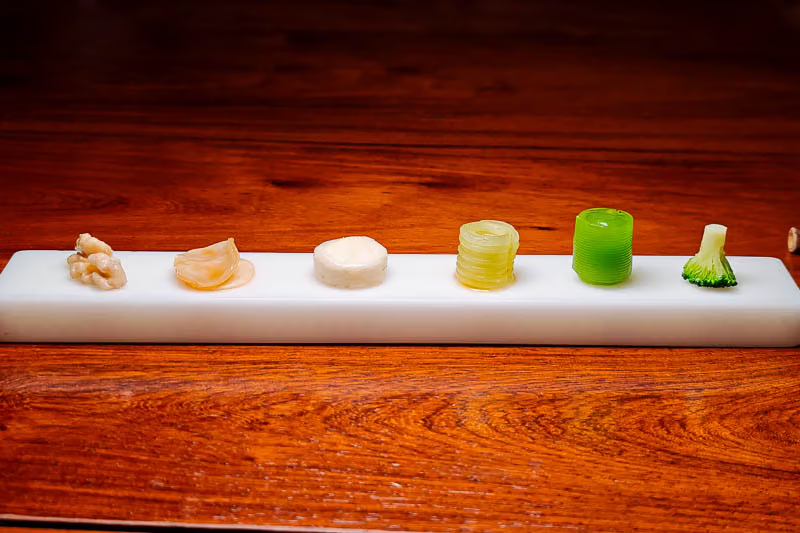
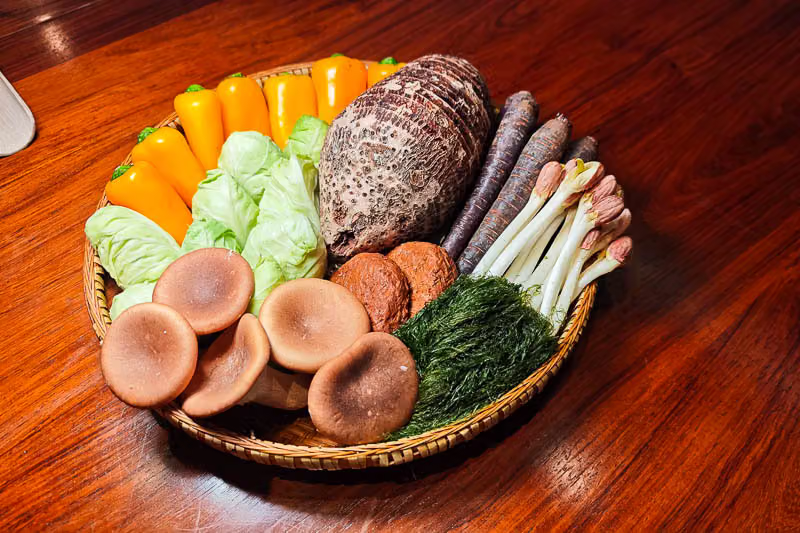
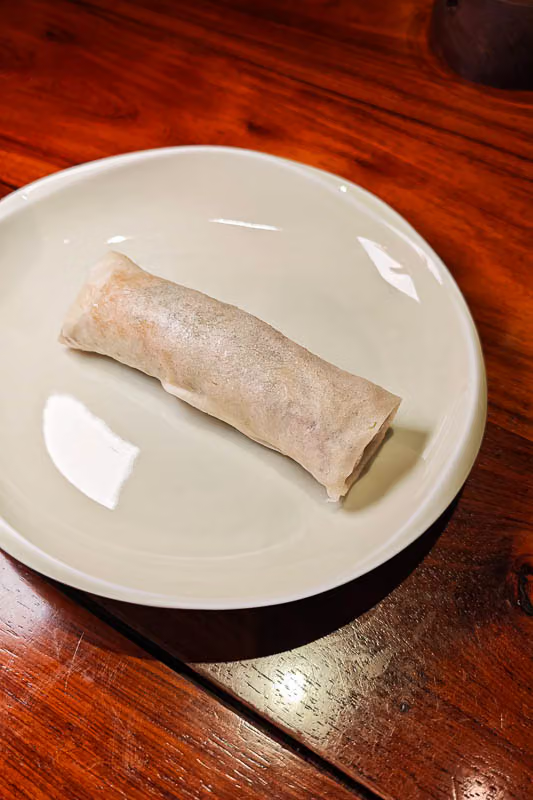
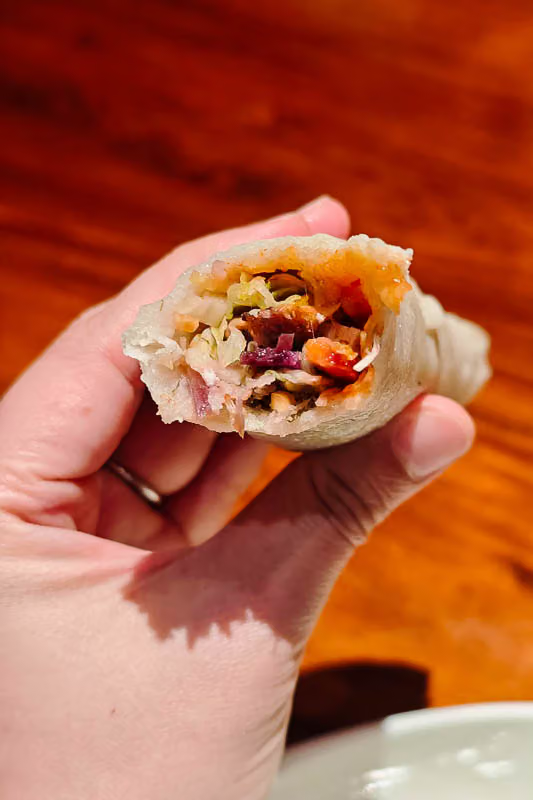
Four dishes stand out enough to note. The spring roll wraps peanut sprouts, shredded carrot, and cabbage in a flour skin, with dried tofu and shiitake mushrooms lending a meaty bite, taro adding heft, seaweed boosting umami, and scallion and sweet chili peppers finishing it off—a Fujian-style roll built with serious layers. The porcini dish is even more over-the-top: a giant mushroom cap stuffed with wheat kernels and water chestnuts, drenched in a mushroom sauce so rich it reads like meat jus, piling umami almost to the max.
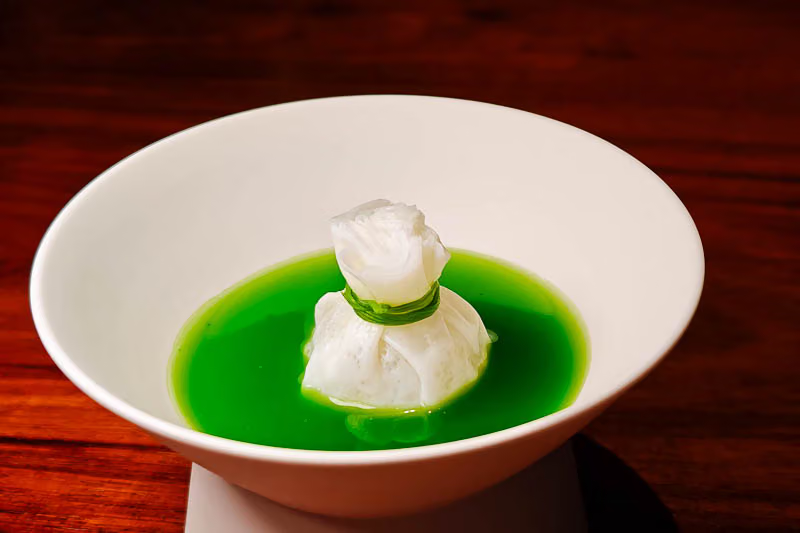
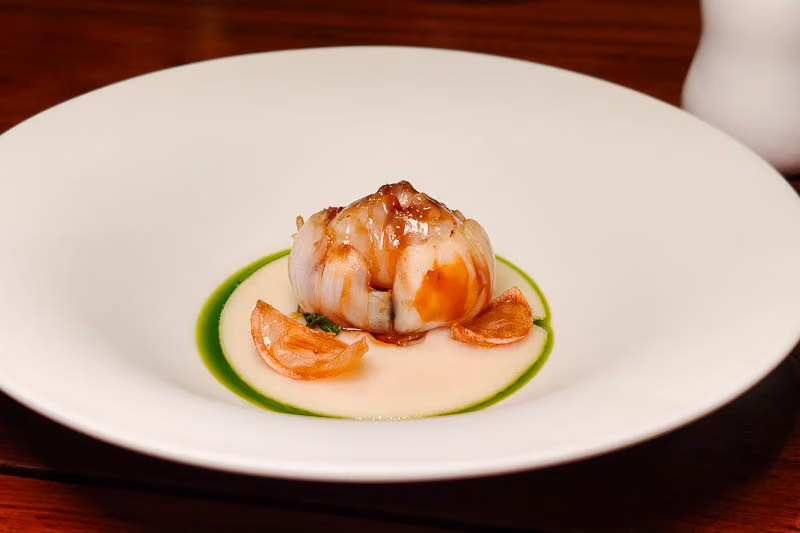
The lily bulb dish takes a different route entirely: whole roasted lily bulbs paired with basil, laid over lily puree and celeriac, then topped with fried lily petals and basil oil. It eats raw and unadorned, with almost no extra flourish—letting the ingredients do all the talking.
But the best dish of the whole meal is the malantou cold noodles. The rice noodles are dyed green by malantou (Indian aster), tossed with pistachio paste and seasoned with Sichuan pepper oil, while pickled vegetables and soybean flakes bring saltiness and crunch. Sauce-forward, nutty, silky texture, with just a touch of numbing spice—it's a reimagining built on the logic of classic Shanghai cold noodles.
There's also a mapo tofu that's not on the menu—you have to ask the server in advance for it to appear. Billed as a hidden dish, but it's really an open secret among regulars by now—tofu with finely diced shiitake, served over rice, hitting numbing, spicy, and fragrant all at once. There's a reason it's become a signature.
The meal also included pea crisp tarts, a red mushroom soup with bamboo shoots, Puning tofu with arrowhead and shepherd's purse, and a vegetable soup that closed things out like a dessert—featuring white asparagus, corn, snow fungus, lotus root, pearl barley, gac seed, and lemongrass, with a hint of fermented glutinous rice sweetness.
The tea pairing is also taken seriously, with four teas matched to the spring menu: jasmine, rose black tea, orchid pu'er, and osmanthus tomato water. The rose black tea has a floral note that's subtle without being overpowering, and the orchid pu'er has a long finish that never overwhelms the food—these two are the standouts of this round of pairings. If you're planning to also drink wine, pick one or the other; tea and wine flavors will clash if paired together.
Even regulars would be hard-pressed to deny this is the best meal Fu He Hui has served up so far. The seasonal tasting menu runs RMB 988, with the tea pairing at RMB 298. The restaurant is located in Shanghai's Changning District.