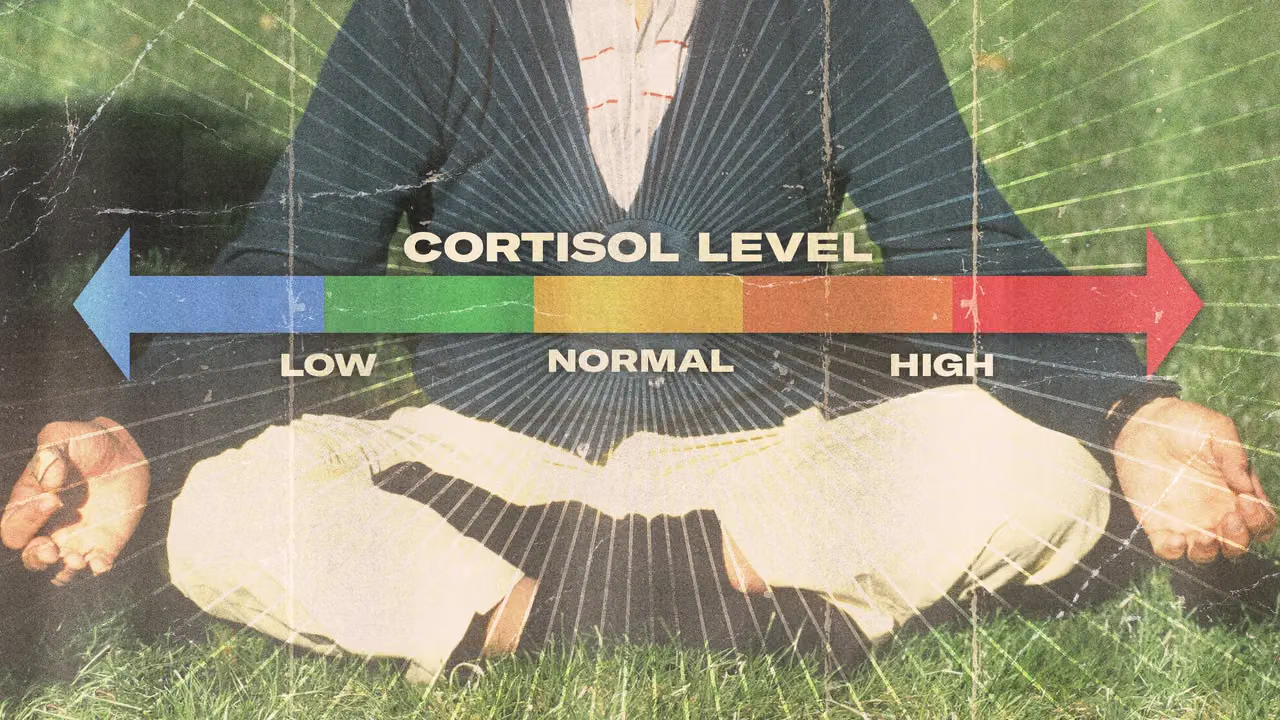
If you've scrolled TikTok lately, you've probably seen the claim: stress spikes your cortisol, your face puffs up, your jawline disappears, and suddenly you're "cortisol-faced." The theory has spread far enough that doctors are now stepping in to clear something up—most people have zero reason to worry about this.
Double board-certified plastic surgeon Dr. Daniel Careaga cuts straight to the issue: "Cortisol can influence facial features, but the 'cortisol face' narrative on social media is a massive oversimplification." Cortisol naturally rises and falls throughout the day, and everyday stress isn't going to leave your face permanently swollen. He explains that the temporary puffiness most people notice is far more likely tied to poor sleep, high sodium intake, alcohol, allergies, or hormonal shifts—not cortisol at all.
Dermatologist and Mount Sinai clinical assistant professor Dr. Debra Jaliman draws a sharper line: cortisol can dramatically reshape facial appearance, but only in cases of Cushing's syndrome, where cortisol stays severely elevated over a long period. According to a 2021 research review from the University of Birmingham, Cushing's syndrome affects roughly 1.8 to 3.2 people per million each year. In other words, the "cortisol face" warnings flooding your feed are actually describing an extremely rare disorder—not everyday anxiety. Jaliman adds that the "moon face" seen in Cushing's is caused by fat redistributing to the mid and lower face, and it comes bundled with weight gain, muscle weakness, thinning skin, and easy bruising—none of which show up just because you're stressed or sleep-deprived. Careaga also points out that genetics, aging, body weight, hydration, medications, and overall health have far more influence on how a face looks than day-to-day stress ever could. If facial changes persist or come with other warning signs, the move is to see a doctor—not slap a "cortisol face" label on it.
Panic aside, cortisol itself isn't the villain here. Nutritionist and workplace wellness consultant Sophie Trotman points out that healthy cortisol levels actually do real work for the body—regulating metabolism, keeping your circadian rhythm on track, and even offering anti-inflammatory benefits that help the body handle minor injuries or immune responses, while also sharpening focus, memory, and stress resilience. GP Dr. Chandni Rajani echoes this, stressing that cortisol plays a key role in regulating metabolism, blood sugar, and immune response. The real issue was never "having cortisol"—it's whether the levels are balanced.
What Actually Deserves Your Attention
Rajani notes that stress along with poor sleep quality and quantity directly drive cortisol up, and processed foods, refined sugar, unhealthy fats, alcohol, and nicotine are all common culprits too. Dr. Daniel Masud of Schoen Clinic Chelsea adds that caffeine also triggers cortisol release, especially at higher doses. Beyond diet, Masud lists other everyday factors: lack of social interaction, too much evening screen time, financial instability or looming deadlines, chronic multitasking, and persistent anxiety, pessimism, or self-critical thought patterns.
Signs of elevated cortisol often overlap with other health issues, making them tricky to spot. Rajani names common indicators like weight gain around the midsection, fatigue, cravings for sugar or high-carb foods, plus mood swings, rising anxiety, and difficulty concentrating. Masud adds that chronically high cortisol can also be linked to high blood pressure, heart issues, digestive symptoms, changes in skin and hair, weakened immunity, and effects on libido and fertility. Psychologist Elena Touroni notes that chronic elevated cortisol is connected to mood disorders like anxiety and depression, and managing it properly can genuinely help stabilize mood and energy levels.
Managing it really comes down to the basics. Trotman considers exercise one of the most effective tools for regulating cortisol—but the type matters. High-intensity or excessive training can actually spike cortisol temporarily, so it's worth paying attention to how your body responds, especially during already-stressful periods. Masud points to interval training, yoga, and outdoor activity as better options for promoting relaxation and lowering cortisol. Mindfulness practices like meditation and deep breathing activate the body's relaxation response, and apps like Headspace can be an easy entry point. A consistent routine, less screen time before bed, and a quiet sleep environment are all practices Masud recommends for supporting healthy cortisol rhythms, while wearables like Whoop or Oura can track heart rate, sleep, and stress markers to help guide lifestyle adjustments—as long as you don't end up more anxious from obsessing over the data.
On the nutrition side, Rajani recommends building meals around whole foods, antioxidants, healthy fats, and staying properly hydrated. Masud specifically calls out omega-3-rich foods and lean protein sources like salmon, walnuts, and flaxseed, while Trotman adds that magnesium and vitamin C found in leafy greens and citrus fruits may help buffer the cortisol response and support adrenal health.