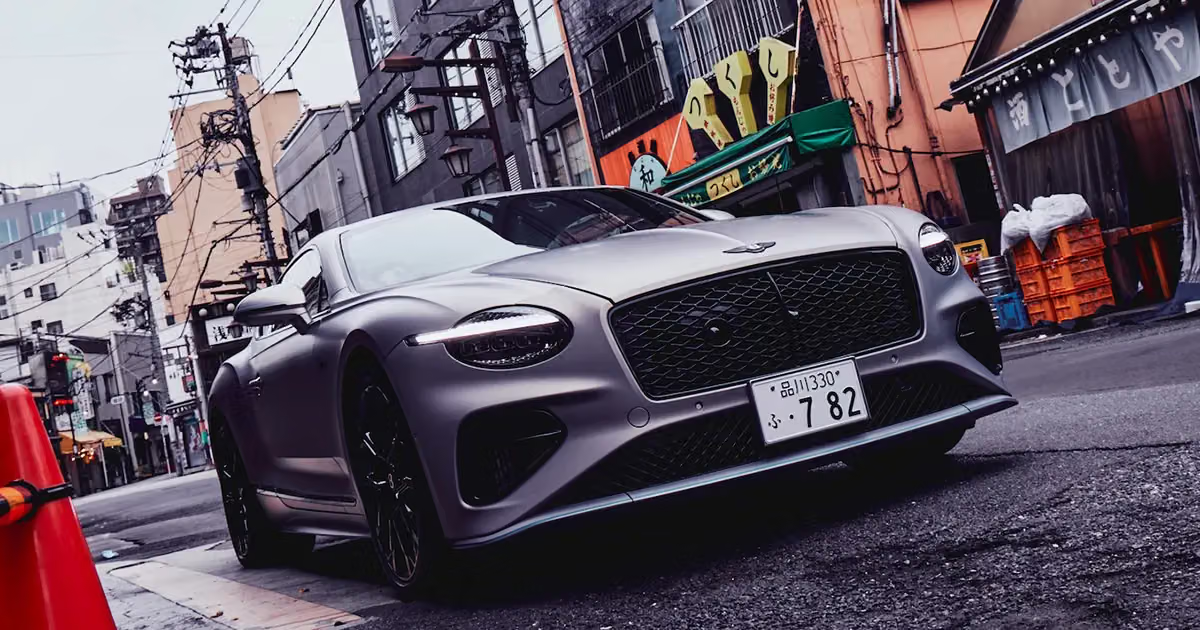
782PS, 1000Nm, 0-100km/h in just 3.2 seconds—these numbers wouldn't be out of place on a supercar, but seeing them on a two-door coupe calling itself the "ultimate grand tourer" is a different story altogether. What makes it even more intriguing is that Bentley has ditched the W12 engine it relied on for two decades, replacing it with a plug-in hybrid system called "Ultra Performance Hybrid"—a 4.0L twin-turbo V8 paired with a 190PS electric motor. The result? Combined output surges to the top of the current lineup, matching even the flagship-level Mazarine trim. Three fewer cylinders, yet no loss in power—this is exactly what makes the new-generation Continental GT Speed worth talking about.
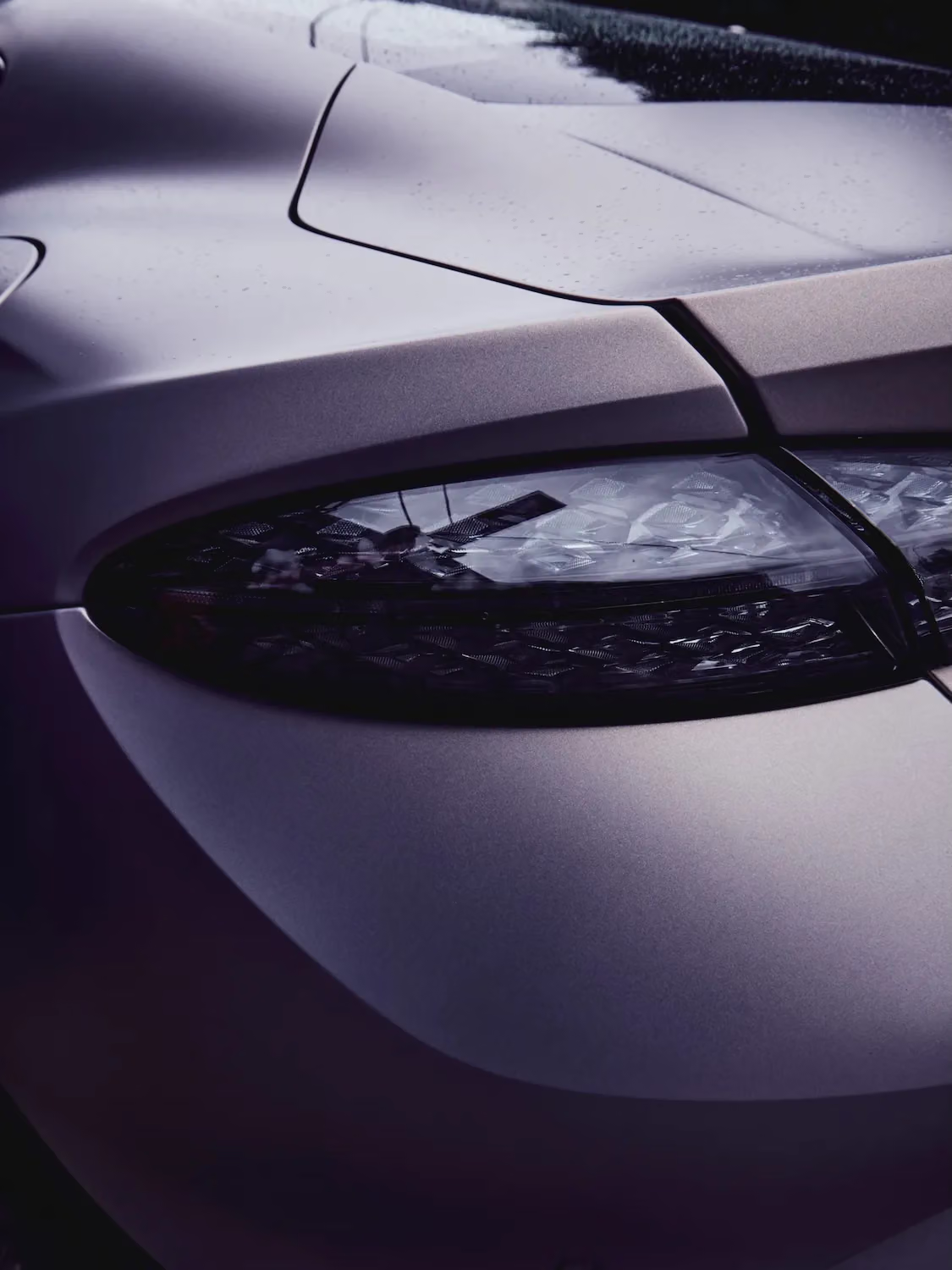
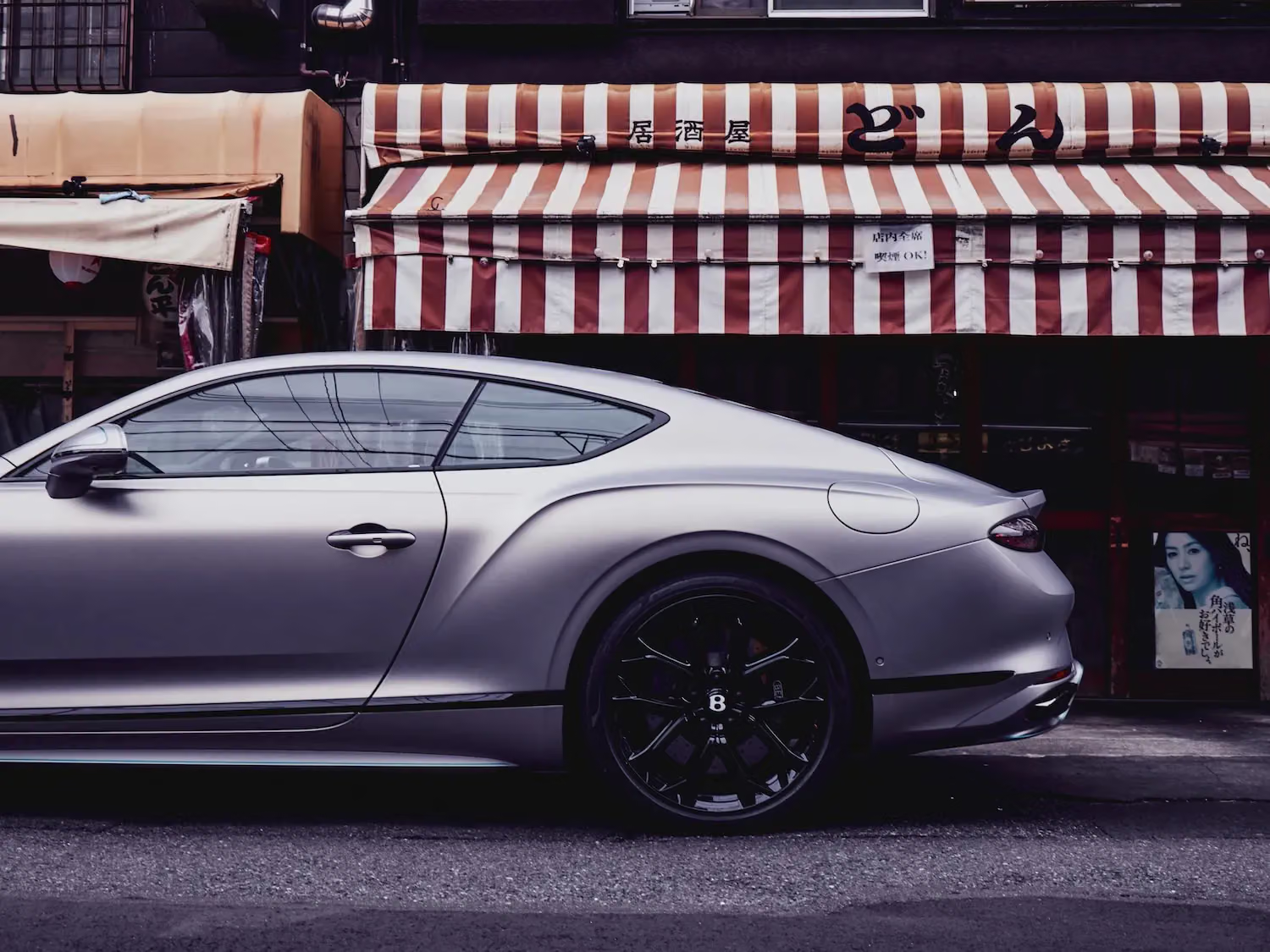
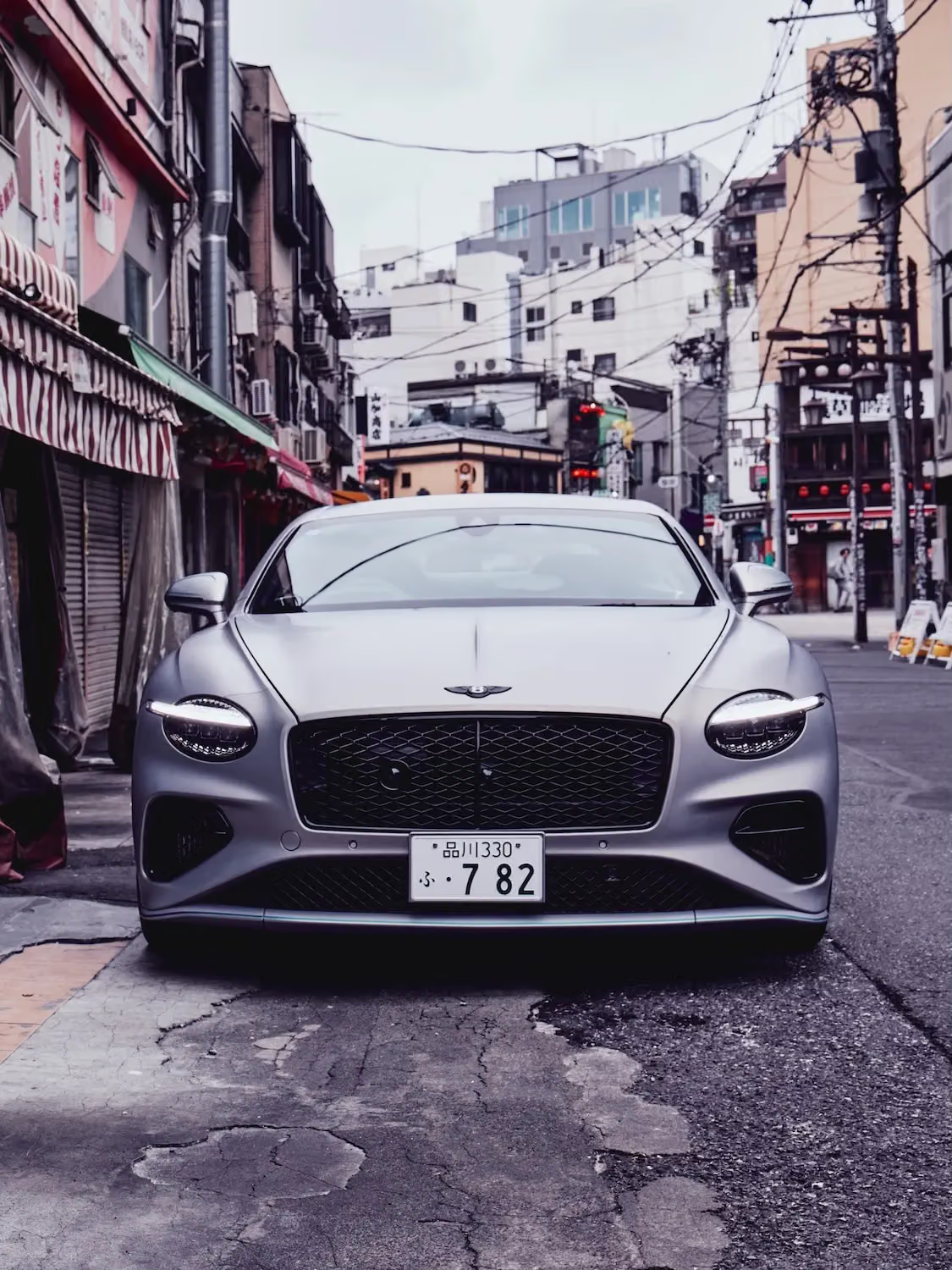
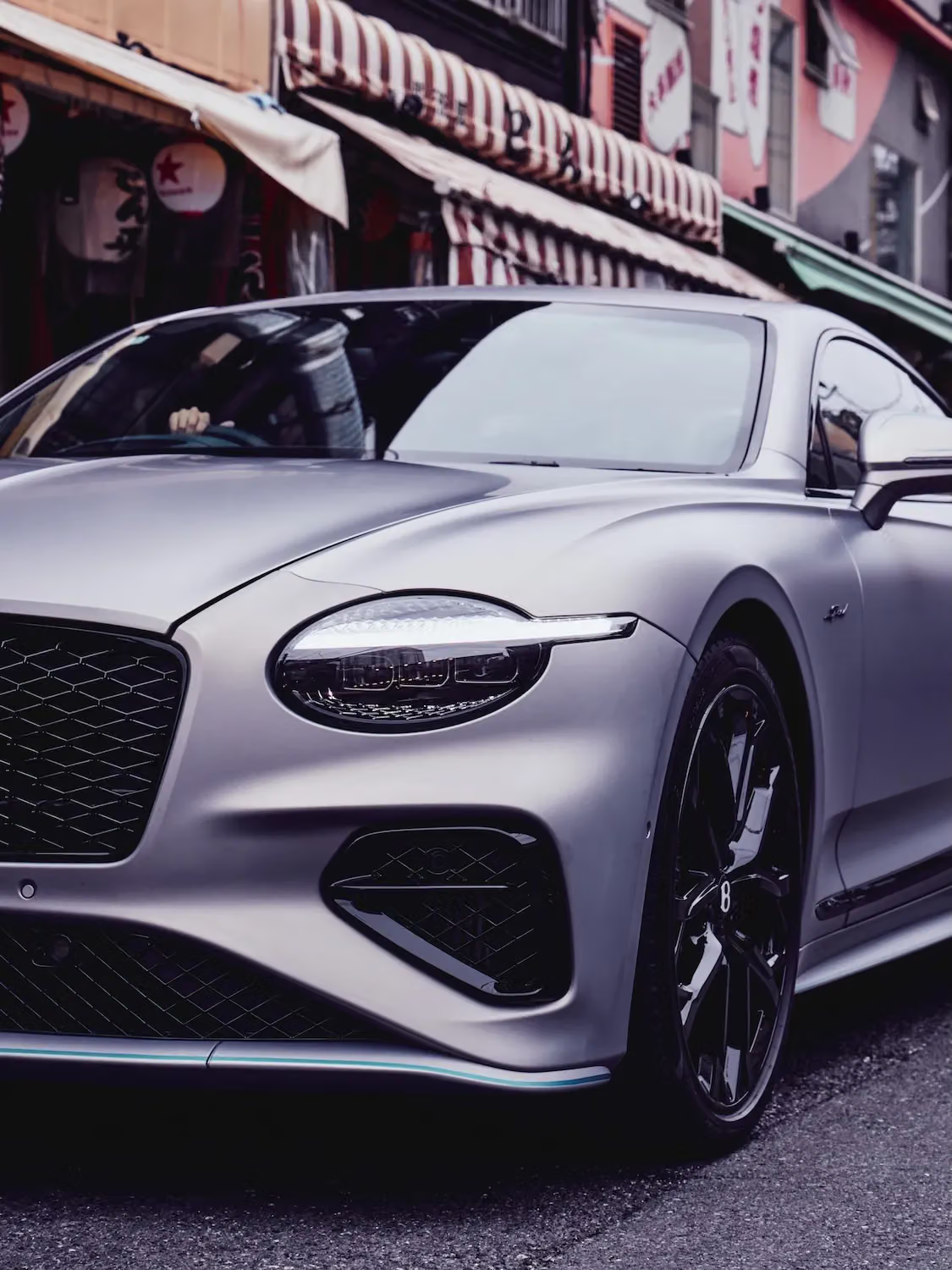
This is the fourth-generation model following the full redesign in 2024, and the unit tested here is the 2026 model year. The exterior continues the "tiger crouching silently" design theme, with plump rear fenders resembling a beast's coiled hind legs. The body avoids harsh creases, instead sculpted with rounded, chiseled surfaces. Overall dimensions come in at approximately 4895mm in length and 2187mm in width including mirrors, while the height reaches 1397mm—slightly taller than a typical two-door sports car, giving it an air closer to a large sedan up close. The headlights mark the most obvious design shift for this generation: gone are the previous dual-round units, replaced by a single oval design resembling a predator's watchful eye, with horizontal daytime running lights that trace like the visual echo of a high-speed chase. The same design language appears on the new Flying Spur unveiled this past June. The taillights are worth lingering over too: when lit, the deep red light refracts repeatedly through the intricate internal structure, rolling like molten lava. The mechanical elements are deliberately concealed, making the craftsmanship feel more like fine jewelry than automotive hardware.
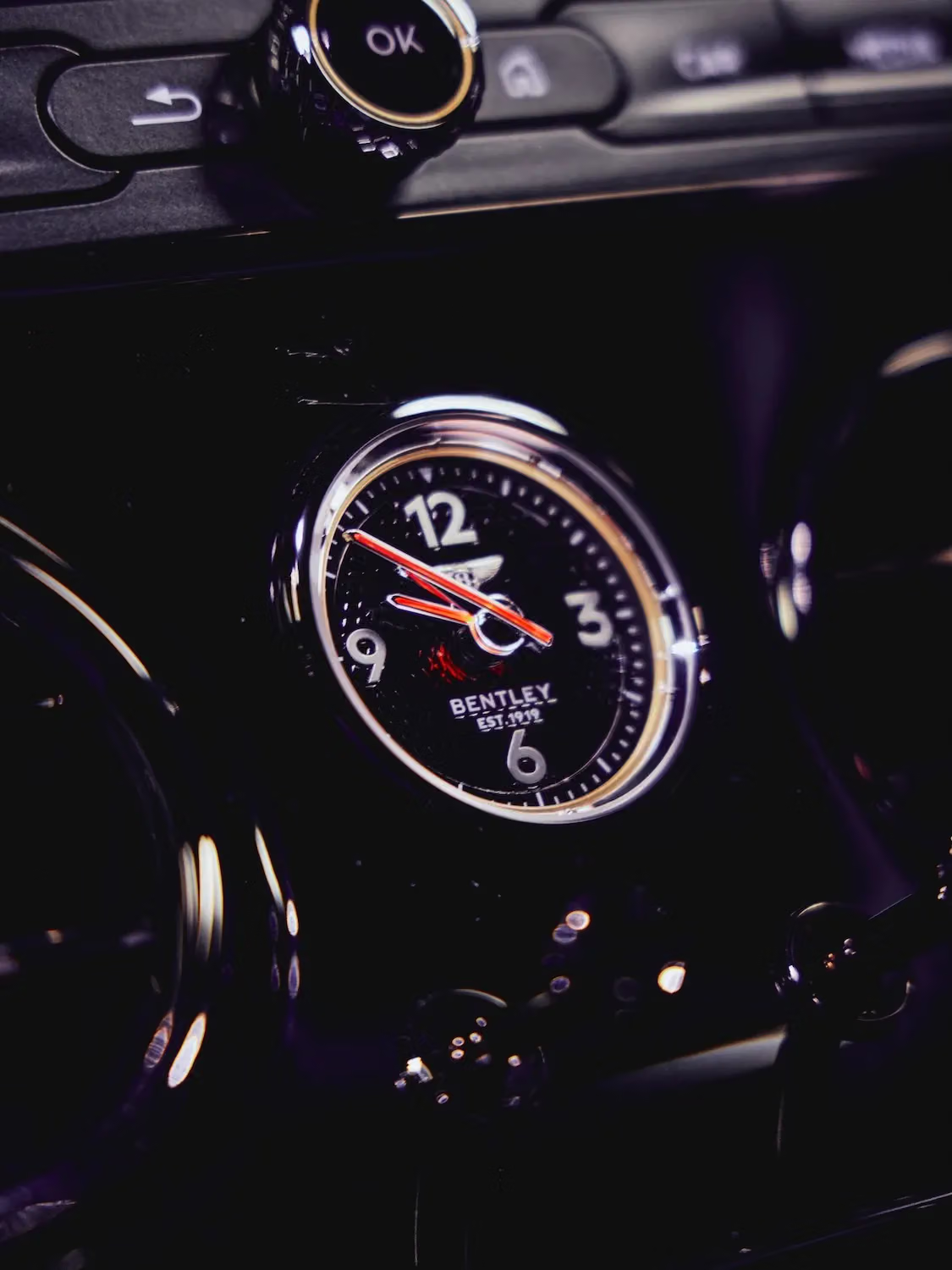
Inside the cabin, the analog clock and 12.3-inch screen don't compete for attention
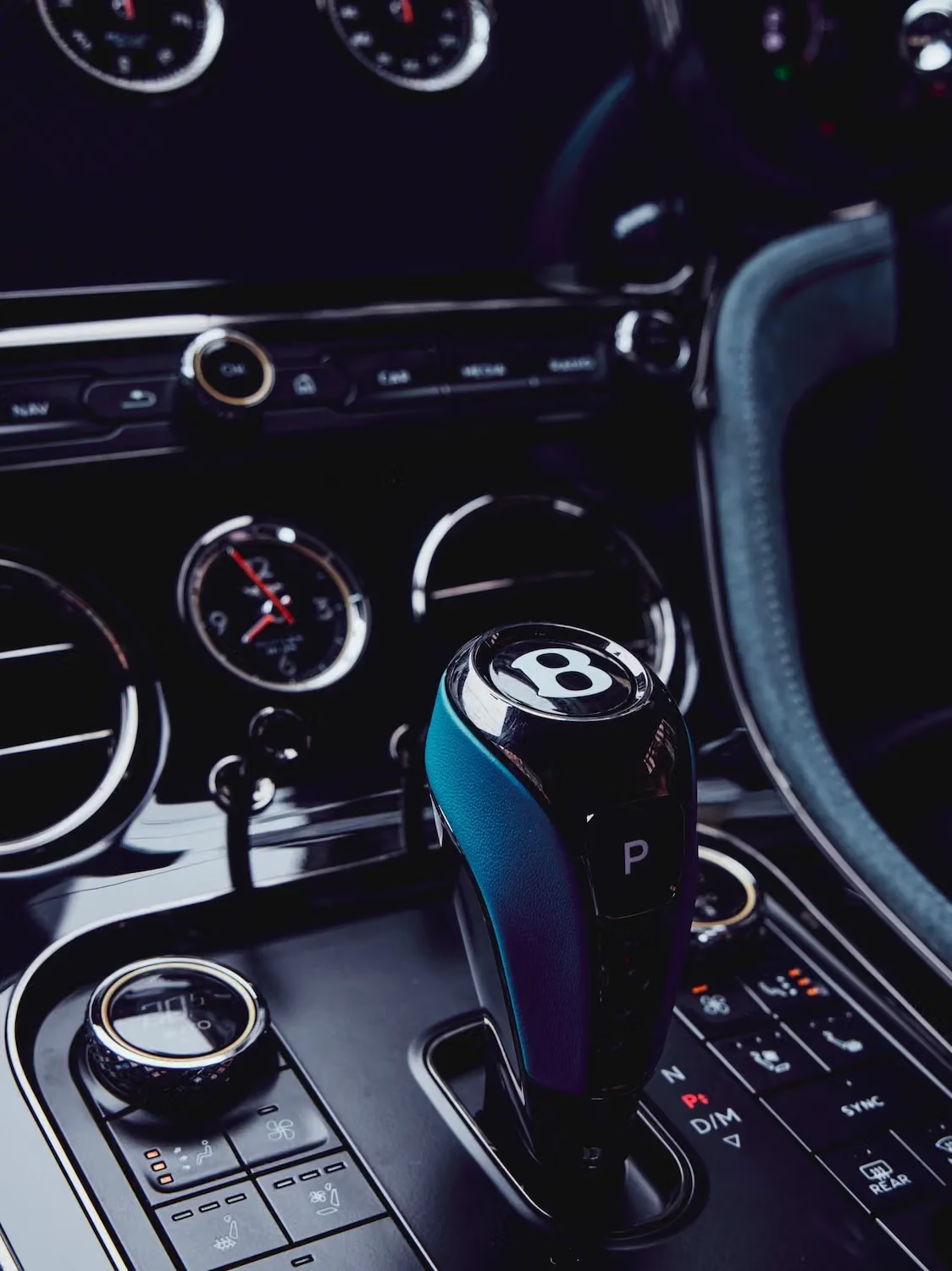
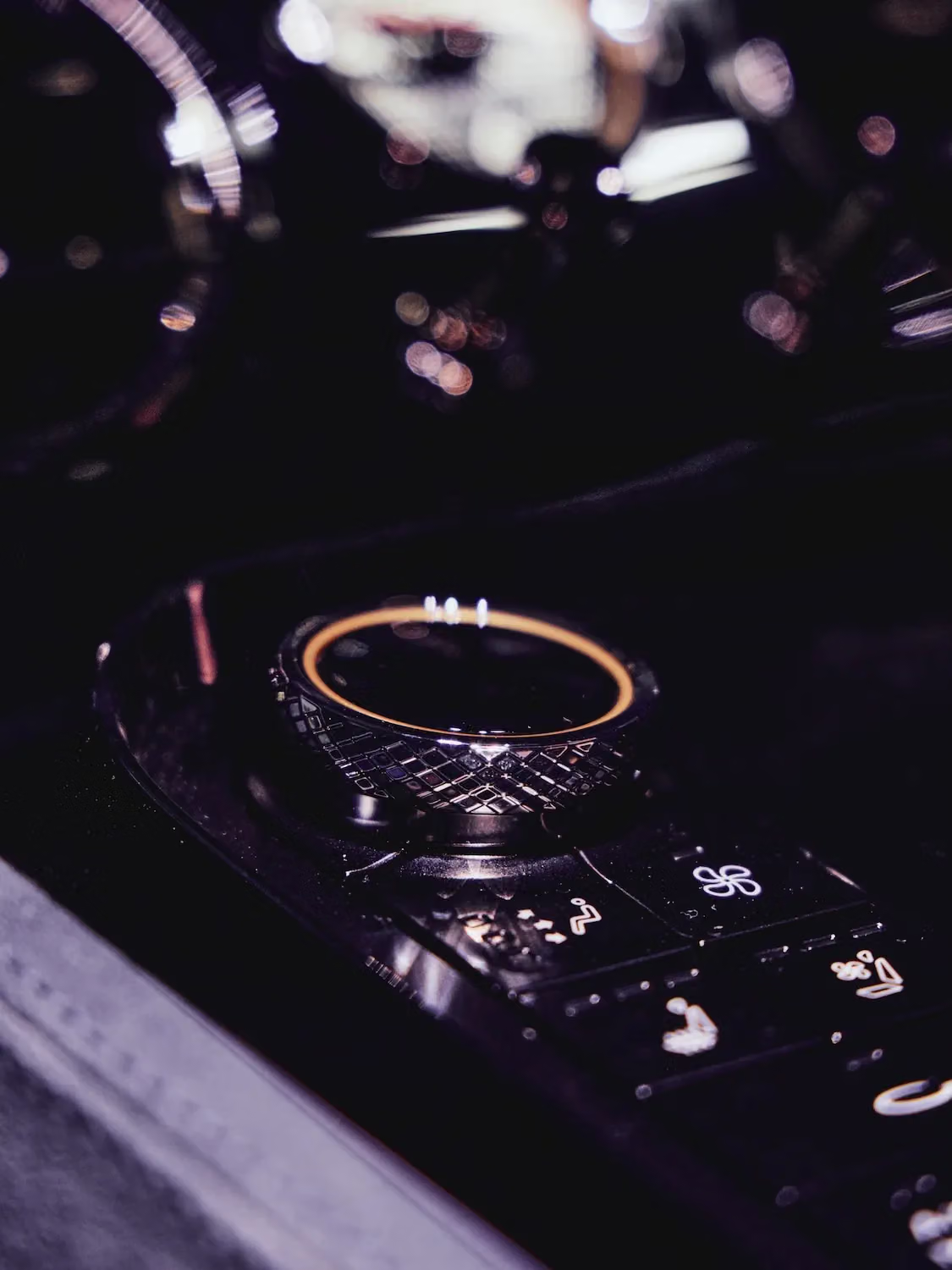
The test car's interior is finished predominantly in a blue-tinged gray called "Brunel," accented with a vivid "Kingfisher" blue. The seat backs feature fine stitching and perforated diamond quilting. A blue carbon fiber trim panel extends from the door panels across the entire dashboard—an option from Bentley's bespoke division, Mazarine—bringing performance-oriented material into a luxury cabin without feeling out of place. This test vehicle, fully optioned, comes in at ¥59,851,318, while the base model starts at ¥41,750,000 (¥42,590,000 for the 2027 model year). What's truly fascinating is how Bentley handles its old soul amid the wave of electrification: the analog clock remains front and center on the dashboard, along with the round "Bullseye" air vents and the "Organ Stop" control knob—details that have carried through since the 1950s, all still present. The dashboard also deliberately retains plenty of physical buttons rather than folding everything into a touchscreen. At the same time, the car comes standard with a 12.3-inch touchscreen supporting wireless Apple CarPlay and Android Auto, a 360-degree camera system, ride height adjustment, and other modern amenities. The optional "Bentley Rotation Display" lets the panel flip to reveal a touchscreen, an analog face with embedded outside thermometer and stopwatch, or a completely seamless dashboard—three faces to choose from. This coexistence of digital technology and vintage sensibility is the most captivating part of the interior.
Silent electric launch, then the V8 growls to life in Sport mode
The launch feel is purely electric—the only sound reaching your ears is the air conditioning running. With throttle input kept under 75% and speeds below 140km/h, the car can run entirely on battery power, with a WLTP-rated EV range of 81km—more than enough for most general road speed limits in Japan. In "Comfort" mode, the suspension travel is relaxed and the steering wheel turns with a gentle touch, effortlessly soaking up long stretches of highway. Switch to "Sport" mode, and the V8 wakes up, delivering a subtle vibration and a "gurgling" growl. Floor the throttle, and the full 1000Nm of torque arrives by 2000rpm, instantly propelling the 2459kg car forward—yet remarkably little tension makes it into the cabin. Lift off the throttle and you're rewarded with a satisfying pop from the exhaust; the engine note always serves as background music to an elegant cruise, never stealing the spotlight. Cornering, too, defies expectations for a heavyweight GT—the front end turns in light and direct, requiring no repeated steering corrections, a result of relocating the battery to the rear and achieving a 49:51 front-to-rear weight balance for the first time. Across five days of testing, no clear practical shortcomings emerged—and that's precisely the confidence behind the fourth-generation Continental GT Speed's claim to the "ultimate" title.
Vehicle specifications and pricing are based on figures released by the manufacturer; availability or local pricing for Taiwan was not mentioned.