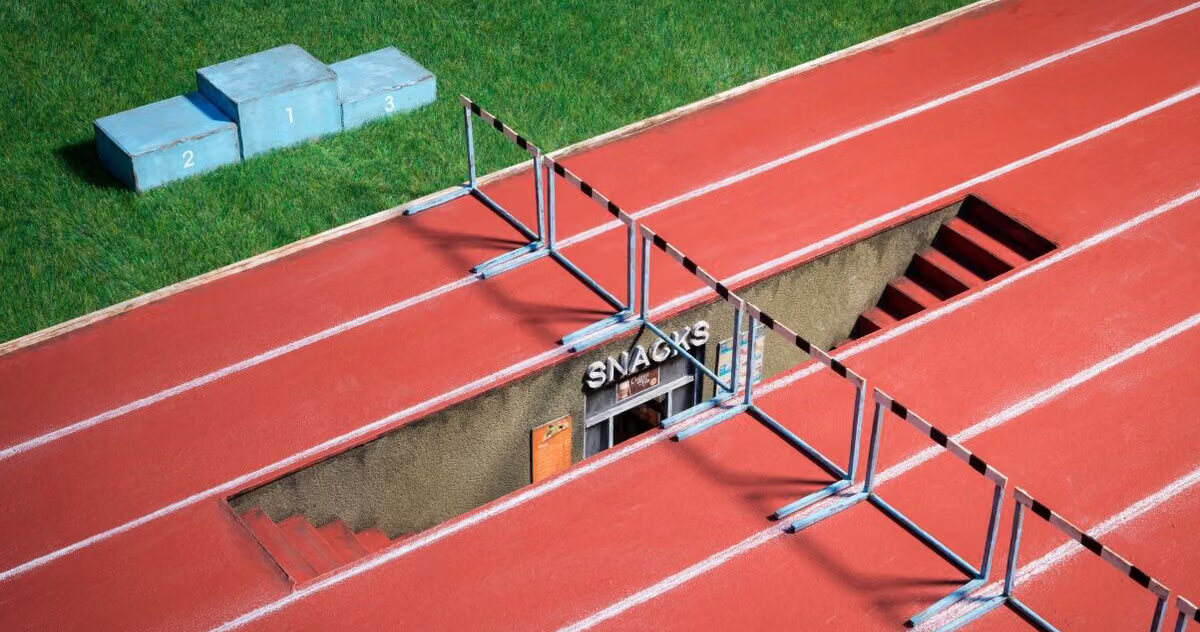
A running track curves around a stadium, then one of the lanes suddenly turns into a staircase, disappearing underground. A stupidly narrow apartment is jammed beneath an overpass. A hotel makes its guests climb a ladder up the exterior wall just to reach their room. At first glance, every one of these scenes reads as completely normal — until the building quietly decides to go rogue.
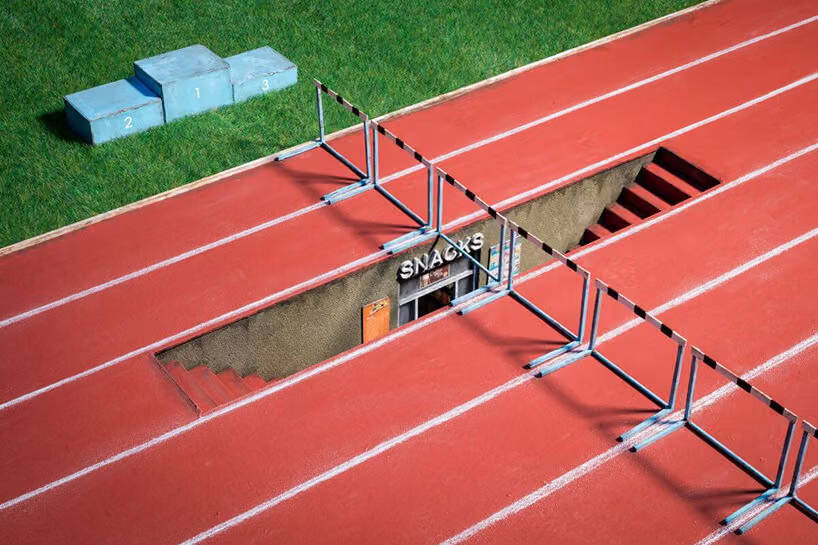
The person behind these scenes is German photographer Frank Kunert, who's been building, lighting, and shooting these miniature worlds solo since the 1990s. The scale sits somewhere between 1:12 and 1:43, and the material of choice is mostly lightweight foam board, with everything else added depending on what the scene calls for — flooring, windows, furniture, paint, even roof tiles laid down one by one. He builds first, lights second, shoots last. Blown up to a certain size, the photos often take a few seconds to register as a tabletop model rather than an actual place.
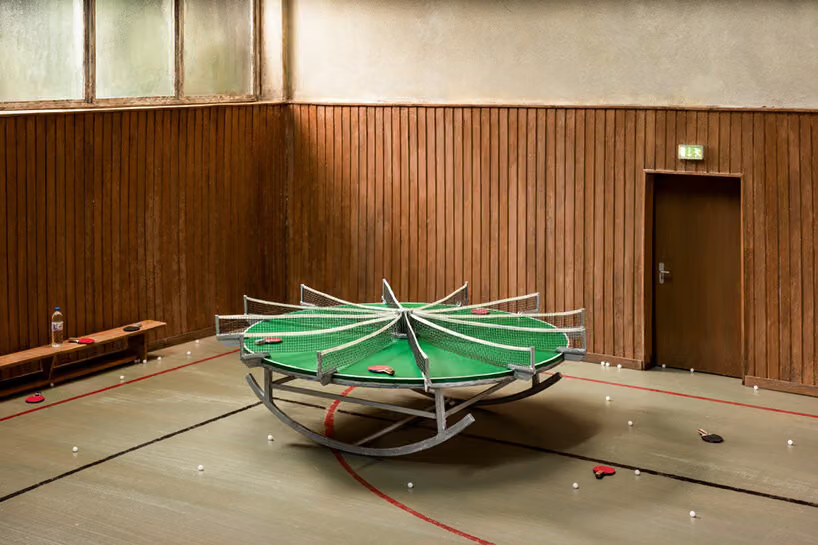
Kunert's background is in photography — he started out shooting landscapes before studio work pulled him into the world of miniatures. His earliest pieces actually included clay figurines, but as the architecture got more and more convincing, those little people started feeling unnecessary, even like they were getting in the way. He eventually cut them out entirely, leaving just the buildings — letting a half-finished drink or a scuffed-up wall hint at who'd just walked through. He describes the scenes as stage sets, leaving it up to the viewer to project their own emotions and imagination onto them.
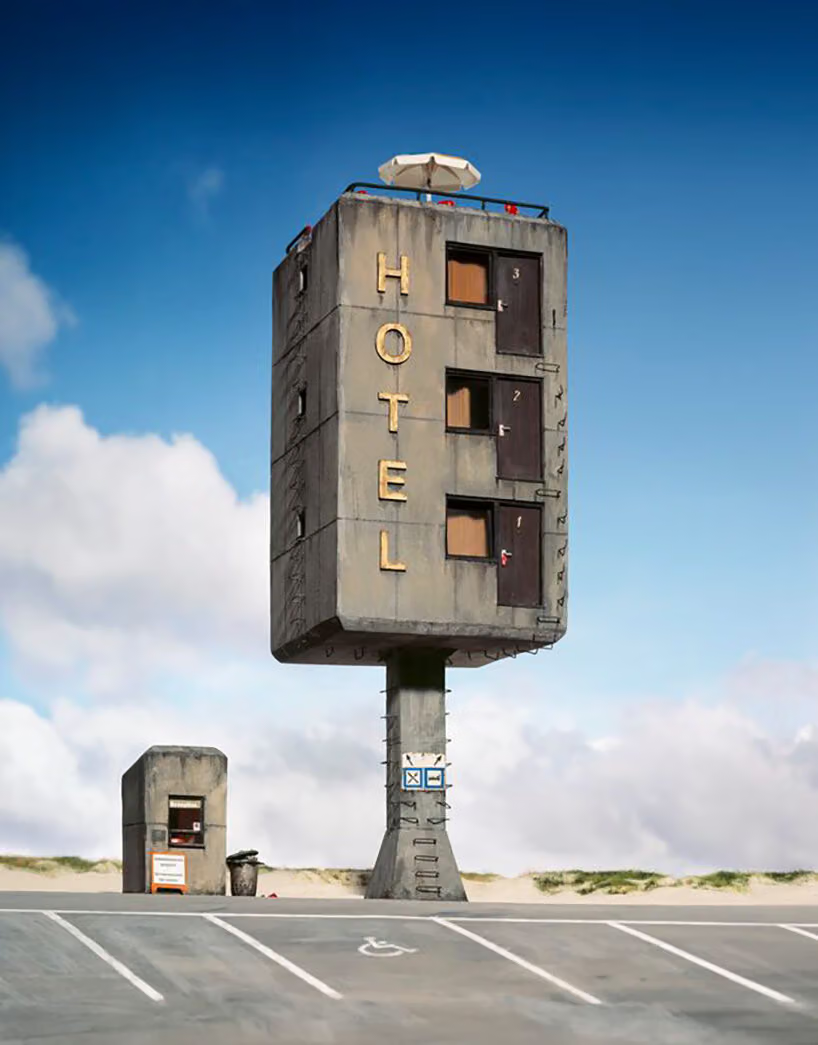
Shrink It Down, and the Rules Get Loose
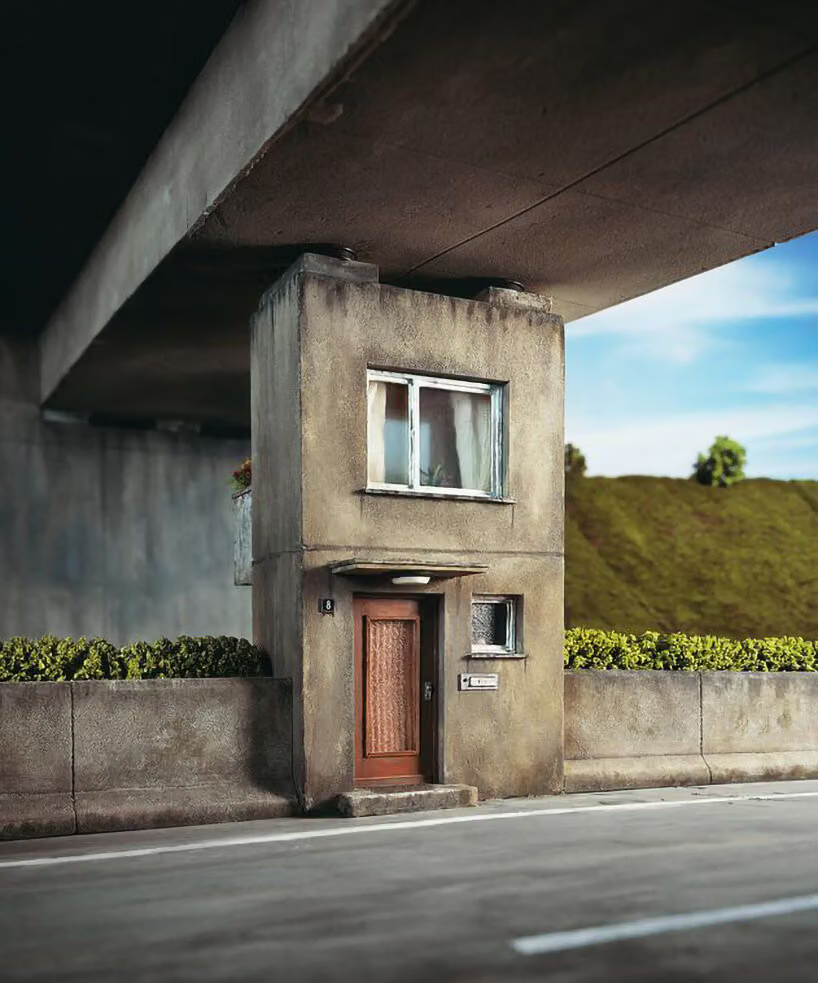
Kunert has said he's drawn to shrinking down reality because it lets him piece together scenes that simply couldn't exist at full scale. A real building has to answer to gravity, circulation, construction logic, and how people actually use it — his models still look like they're playing by those rules, which is exactly why a small deviation lands so hard. A subway platform can float above the clouds; a structural headache can flip into the punchline of the whole scene. An idea might sit in his sketchbook for months, even years, before he touches it, and some pieces get built before he even knows where they're going — letting the mood and the spatial logic figure themselves out as he goes.
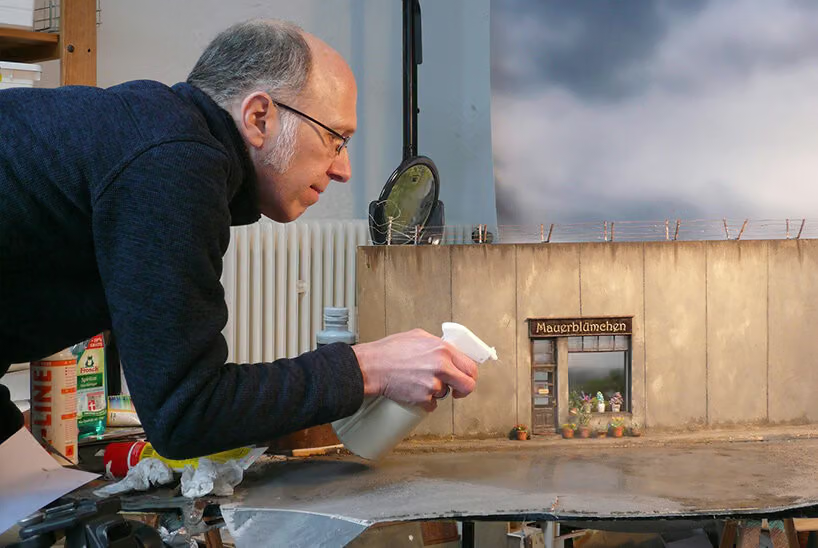
The photos keep just enough realism intact — weathered walls, worn-in textures — so your eye buys into it being a normal building first, before your logic catches up and clocks what's actually wrong with it. Kunert's catalog is full of deceptively ordinary titles like "Underpass," "Round Table," "Under the Bridge," "Balconia," and "A Room with a View" — and under the humor there's usually something heavier: how people deal with failure, with fear, and the half-baked solutions they talk themselves into when they're stuck. The architecture here stands in for those compromises — empty rooms that still look like they're functioning, just in a way that's quietly absurd.
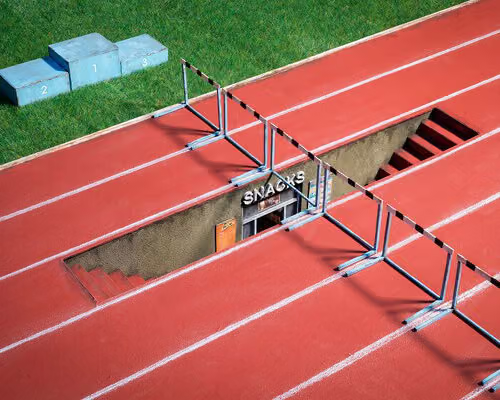
This piece is part of designboom's "PLAY" series, written by kat barandy and originally published on August 9, 2026. No pricing or exhibition details were provided for the work.