Most restaurants sell themselves on "what's new." Albaluz does the opposite—12 years in, the tapas, paella, and Iberico pork ribs on the menu have barely moved. That kind of "no change" might sound like laziness, but step into the old two-story building tucked in Hengshan Fang, and you realize it's actually conviction.
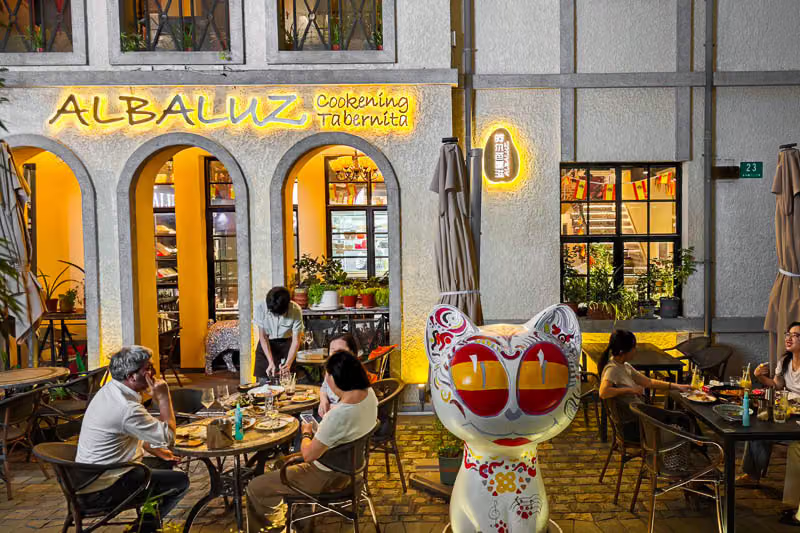
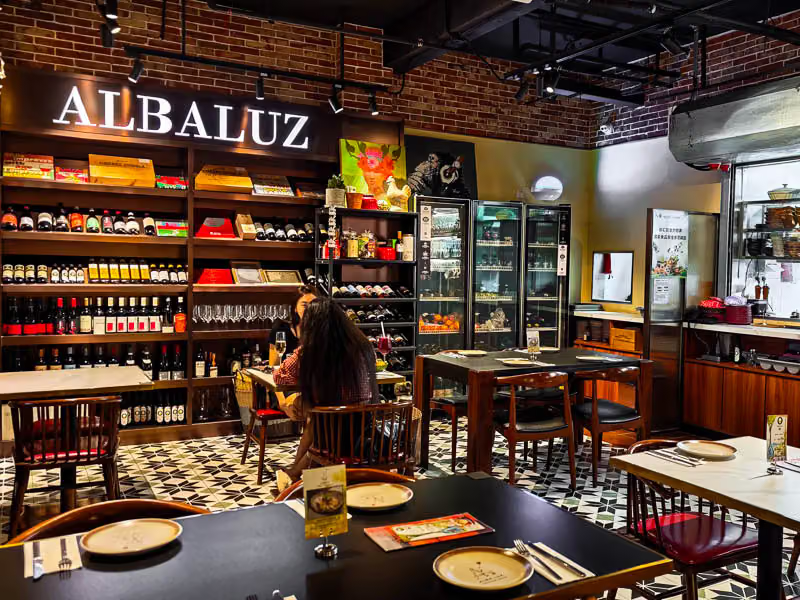
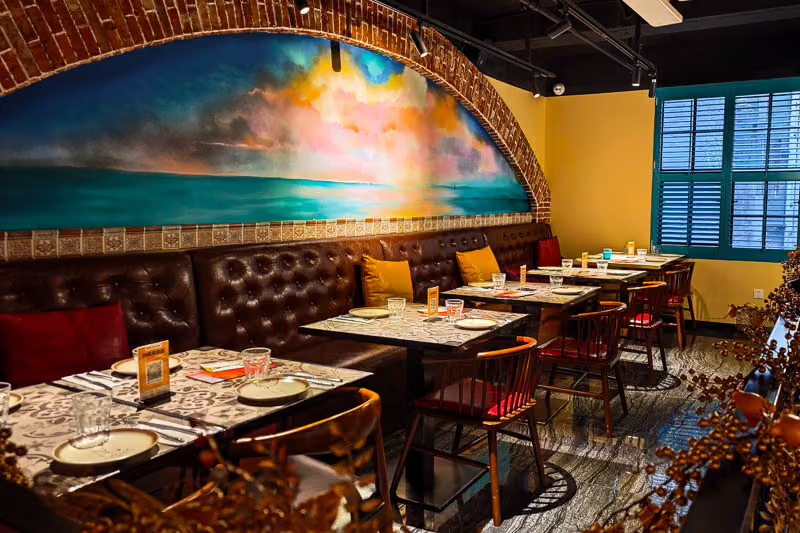
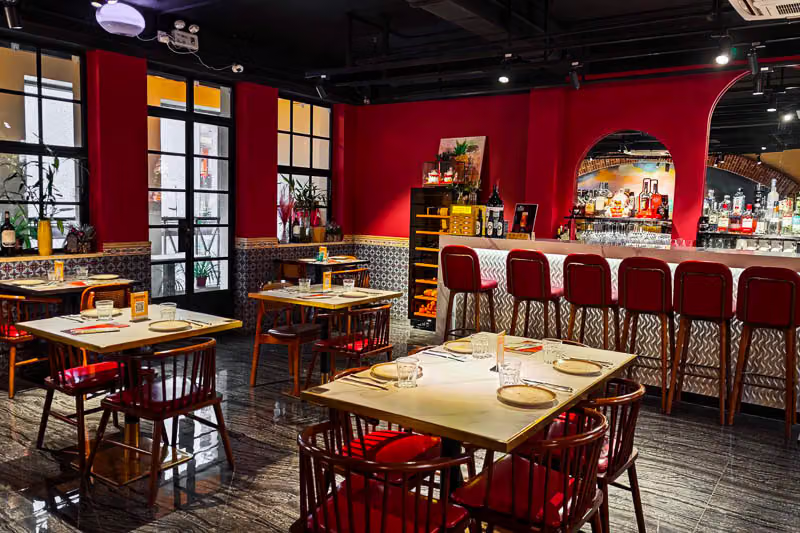
Albaluz has been here since August 2014. The ground floor is a simple dining area with a cozy outdoor patio, while the second floor offers more space with a slightly rustic, countryside feel. Barcelona-style mosaic tiles and pops of wine-red run throughout—the decor shows its age, but has clearly been maintained over the years rather than left to fall apart.
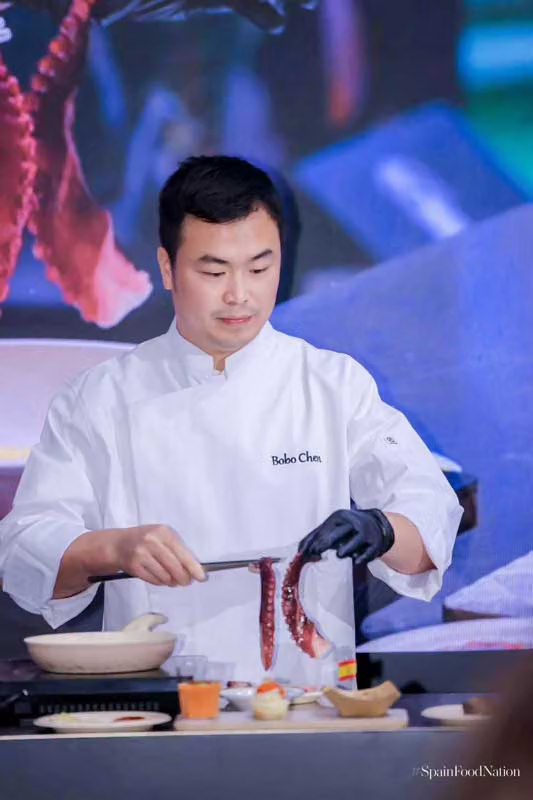
The person holding these 12 years together is owner Jessie Peng. She says her love for Spanish food "runs in her blood." Every year she flies to Spain multiple times, fine-tuning flavors on the menu while sourcing new wines from Rioja and Ribera del Duero through her own import company to add to Albaluz's wine list. Head chef Bobo Chen has been there since opening day—the menu's consistency is, in some sense, also a matter of the people never changing.
Albaluz uses ingredients like jamón ibérico, Iberian pork, manchego cheese, and high-quality extra virgin olive oil—which is exactly why it's been certified as an "Authentic Spanish Gastronomy Ambassador" by the Spanish Trade Office in Shanghai.
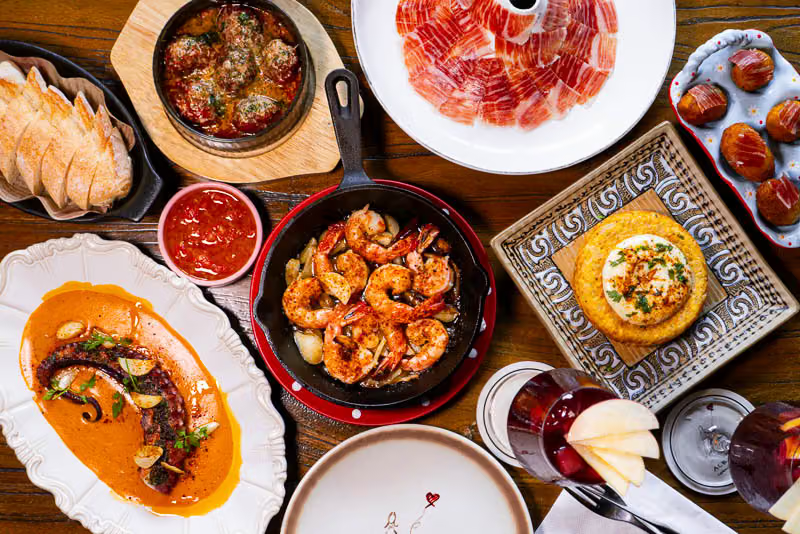
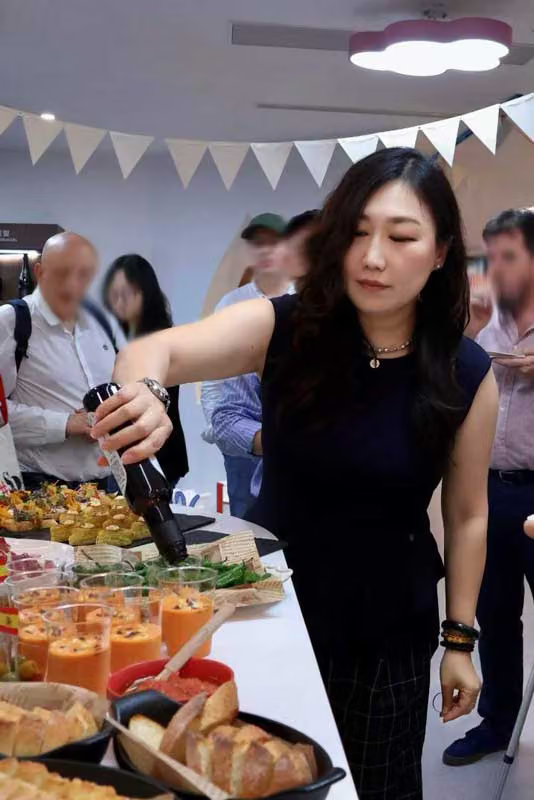
If you only order one thing, make it the 100% Iberico Ham (¥228/50g). Hand-sliced, served plain, it's savory with the nutty sweetness of acorn-fed pork, and the fat is rich enough to melt on your fingertips. Gambas al Pil Pil (¥88) is a staple at any Spanish restaurant—plump shrimp arriving still sizzling in garlic olive oil, best mopped up with a side of sliced baguette (¥25, comes with tomato salsa). The marinated sardines (¥58), lightly cured in vinegar and steeped in olive oil, bring a nice tang and make for a great appetizer.
The croquetas (¥88 for four), filled with iberico ham and mushrooms, come out crispy on the outside and piping hot inside—dangerously addictive, easy to overeat and ruin your appetite for the mains. The handmade beef meatballs (¥78) in tomato sauce were the surprise of the meal—soft meatballs with plenty of spice, paired with a sweet-and-sour sauce topped with melted parmesan. The Tortilla de Patatas (¥58) is the most humble dish on the table, playing the role of grounding element among all the bolder flavors.
Callos a la Madrileña (¥98) isn't for everyone—tripe, intestine, and beef tenderloin paired with smoky chorizo, stewed in tomato, paprika, onion, and chickpeas. This version leans sweet rather than spicy, cooked to a comforting, homestyle finish. The Galician-style grilled octopus (¥118) is great for sharing, served with a slightly spicy, peppery nut sauce. The BBQ Iberico pork ribs (¥228) retain a bit of chew rather than falling apart, with a sauce that's tangy, sweet, and savory all at once—the fries on the side seem like an odd pairing at first, but somehow make complete sense once you taste it.
The real stars are the paella and fideuà (¥258 per pan). The traditional seafood paella is the go-to, but there's also a squid-ink version, or options with grilled sea bass or Iberico pork ribs paired with black truffle oxtail. But more than the paella, the fideuà is the one to order—few places in Shanghai even attempt this dish, and fewer still do it well. The vermicelli-thin noodles soak up the rich broth, and the socarrat—that crispy caramelized layer at the edge of the pan—is done right, with the flavor never diluted.
For dessert, the black truffle Basque cheesecake (¥58) holds its shape rather than oozing across the plate—the truffle flavor is pronounced, which might give some diners pause. The flan (¥45) goes for straightforward sweetness, with smooth, silky custard. The real surprise is the Volcano chocolate cake (¥55)—perfectly balanced bitter-sweet, with chocolate quality that's obvious from the first bite. Paired with vanilla ice cream, even after a full table of food, we still managed to polish off half of it.
Albaluz isn't chasing any new concept. What it does is simple: perfect the classics, and don't change them for 12 years.